
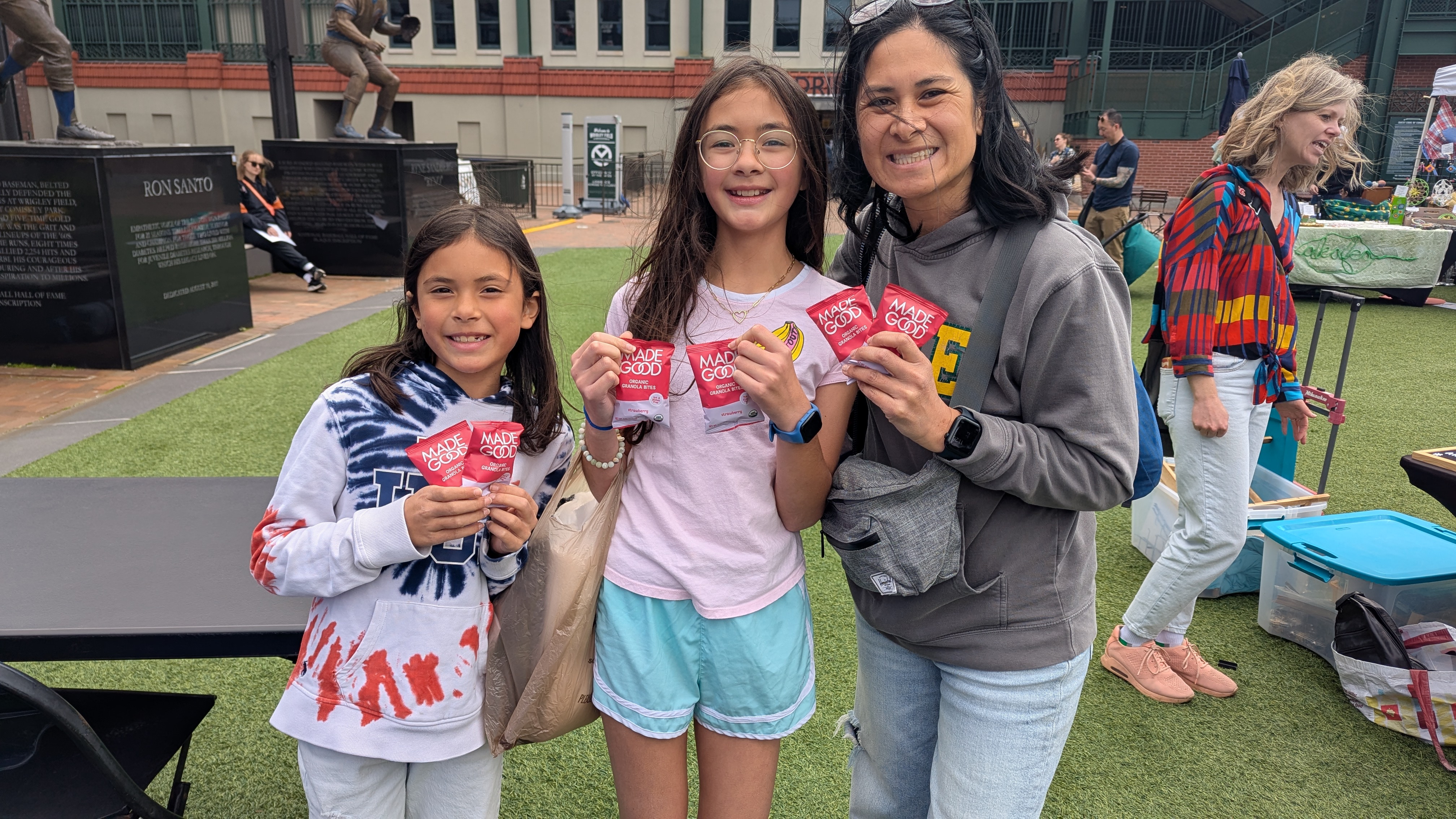
Key Takeaways
- A CPG marketing agency turns brand strategy into execution across retail, DTC, experiential, and brand storytelling channels that most CPG brands cannot staff for internally.
- The strongest CPG marketing agency relationships extend an internal team rather than replace it, especially during launches, channel expansion, or capacity crunches.
- Experiential-led agencies build emotional connection and product trial, not just impressions, which is why sampling and activation remain central to CPG growth.
- Hiring a CPG marketing agency is a risk-reduction decision as much as an execution decision.
- Brands get the most value from a CPG marketing agency when the stakes are elevated: new launches, new retail channels, or a brand that has gone quiet.
Quick Links
- Why This Matters for Your Brand Right Now
- What Is a CPG Marketing Agency?
- The Core Functions of a CPG Marketing Agency
- Where an Experiential Marketing Agency Adds the Most Value
- When Does a Brand Actually Need One?
- How a CPG Marketing Engagement Works
- Common Mistakes Brands Make
- Final Thoughts
- People Also Ask
- Frequently Asked Questions
Why This Matters for Your Brand Right Now
If you are staring at a launch calendar, a flat sales line, or a marketing team that is already stretched across too many channels, you have probably asked whether it is time to bring in a CPG marketing agency. It is a fair question, and a slightly uncomfortable one. Hiring outside help can feel like an admission that something internal is not working, when really it is closer to bringing in a specialist because the stakes just got bigger than your current bandwidth can absorb.
CPG brands face a uniquely difficult challenge: building product demand and brand trust in an environment where consumer and retailer attention is fragmented, shelf space is limited, and the competition is relentless. That is why many brands partner with a CPG marketing agency, whose scope is often different from a traditional marketing firm's.
Below, we walk through what a CPG marketing agency actually does, where experiential marketing fits into that picture, and how to tell when hiring one is the right call instead of just another line item.
What Is a CPG Marketing Agency?
A CPG marketing agency helps consumer packaged goods brands grow awareness, trial, and repeat purchase across physical and digital environments. That is the short answer. The longer answer is that it does this by connecting three things brands often manage separately: brand strategy, creative execution, and real-world activation.
Unlike general marketing agencies, CPG-focused firms understand retail dynamics and sell-through pressure, the short decision window a shopper has at the shelf, the importance of packaging and placement, and the reality of omnichannel attribution gaps between a paid ad and a purchase in a store.
- Retail dynamics and sell-through pressure
- Short decision cycles at the shelf
- The importance of packaging, placement, and in-person experience
- The reality of omnichannel attribution gaps
A strong CPG marketing agency connects those pieces as one system built around how a shopper actually discovers, tries, and rebuys a product, not as three separate services billed on three separate invoices.
Q: How is a CPG marketing agency different from a general marketing agency?
A: A CPG marketing agency specializes in retail dynamics, shelf presence, and omnichannel attribution unique to packaged goods. A general agency can produce strong creative, but it often lacks that category-specific context.
The Core Functions of a CPG Marketing Agency
While offerings vary agency to agency, most CPG marketing agencies support brands across five core areas. Here is what each one actually involves, and where an agency tends to add the most value.
1. Brand Strategy and Positioning
Before a single campaign goes live, a brand needs a clear roadmap that aligns to real business objectives, not just a mood board. Agencies help brands answer a few foundational questions: what problem do we solve for the consumer, why should someone choose us over the other options already on the shelf, and how do we show up consistently across every touchpoint, from packaging to social to the sample table.
This work often includes brand audits, competitive mapping, messaging frameworks, and go-to-market alignment.
Quick answer: Many brands hire agencies to lead brand strategy because an outside team brings pattern recognition across the category that is hard to see from inside one brand, and that perspective tends to make campaigns, especially experiential ones, land harder.
2. Experiential Marketing and Brand Activation
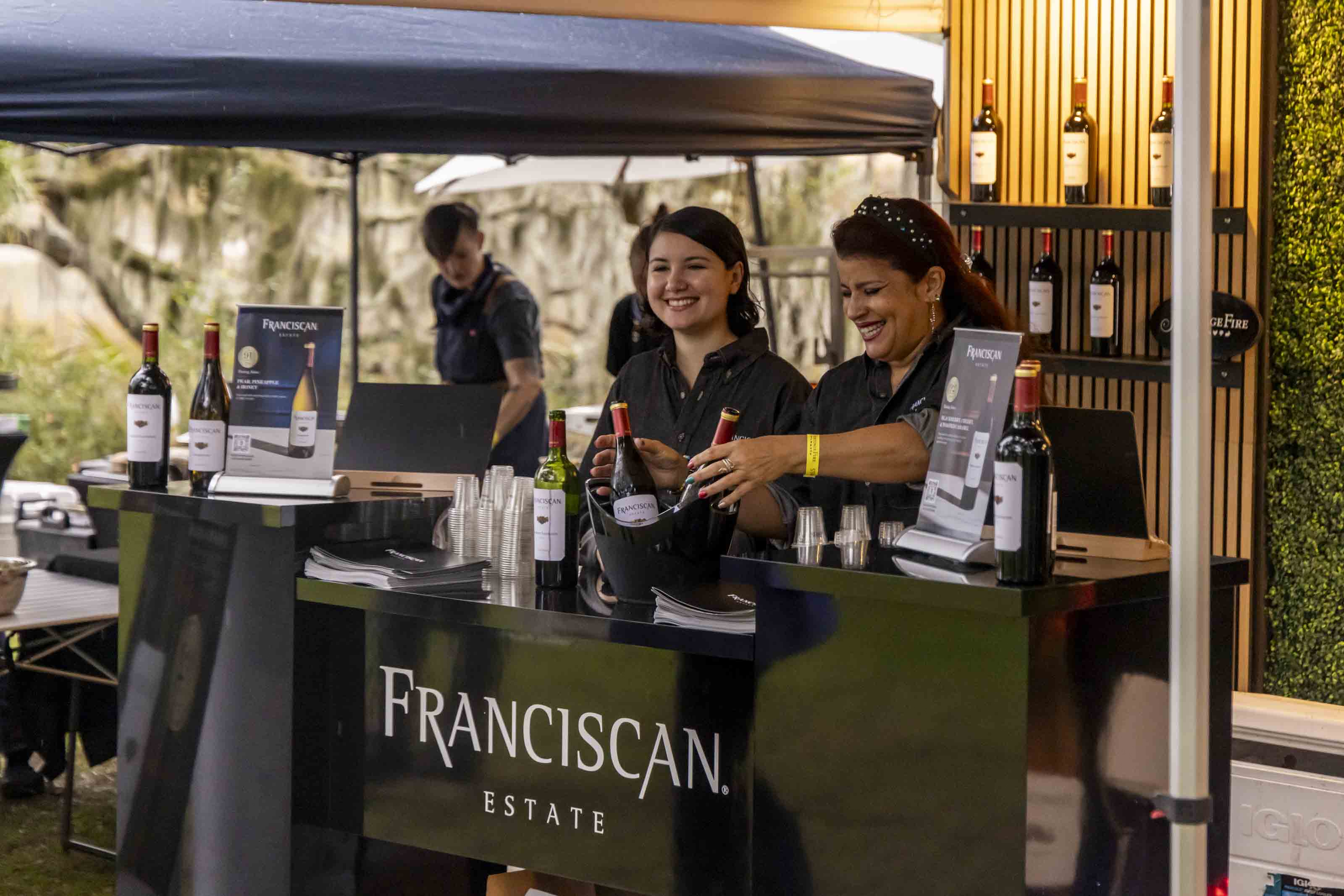
Brand activation is where an experiential marketing agency differentiates itself most clearly from a generalist shop. This includes sampling programs, pop-ups and mobile tours, retail takeovers, event integrations, and community-driven activations. If you want a deeper breakdown of how these programs get built and measured, we cover it in our brand activation playbook for street team and CPG sampling programs.
For CPG brands, none of this is about spectacle for its own sake. It is about trial, memory, and driving purchase. Event Marketer's coverage of how CPG brands are leveraging experiential makes a similar point: brands that show up in person tend to stay top of mind longer than brands that only show up in a feed.
Quick answer: Physical experiences still matter in a digital-first world. They drive product trial, social sharing, and downstream digital performance, and they tend to increase purchase intent more than an impression alone.
3. Campaign Creative and Social Media
CPG marketing agencies help brands develop creative that works across paid media, retail environments, social platforms, influencer and creator channels, and the in-person moments that generate content loops in the first place.
The goal is not just more assets. It is an omnichannel experience that scales creative efficiently instead of reinventing it for every channel.
Quick answer: The best agencies do not replace an internal creative team. They augment it during high-demand periods or specific campaigns, which is usually when internal bandwidth is thinnest.
4. Retail and Shopper Marketing Support
Many CPG marketing agencies also support in-store programs, POS materials, retail promotions, trade marketing alignment, and shopper journey optimization. This work requires understanding how consumers actually behave in a store, which is often different from how they behave online.
Nielsen's research on post-launch turn rate backs this up: pricing, placement, and sell-through data all shape whether a launch holds shelf space six months later, not just how it performs in its first week.
5. Measurement, Learning, and Optimization
CPG marketing does not benefit from false precision. Strong agencies focus on directional learning, test-and-learn frameworks, lift analysis, and qualitative insights alongside the numbers, which creates momentum without over-engineering attribution.
This is also where our own approach leans hardest. We build campaigns around reach and impact, and we treat actionable consumer data and retail sell-through as the real scoreboard, not just event-day metrics.
Where an Experiential Marketing Agency Adds the Most Value
Not every agency is built the same way, and an experiential marketing agency in particular tends to be most valuable when a brand needs to launch a new product or line, enter a new market or channel, re-energize a brand that has gone a little quiet, build emotional connection instead of just reach, or turn existing awareness into actual trial.
These moments are high risk and high impact at the same time, which is exactly why they benefit from expert-led campaign design instead of a generalist approach. We built our own agency around full-funnel, experience-first campaigns for this reason: awareness alone rarely moves a CPG brand's numbers, but awareness paired with a real sampling or activation moment usually does. For a closer look at what that looks like when a founder decides to consolidate marketing under one partner instead of several vendors, see why more CPG founders are choosing one CPG consulting partner over many.
When Does a Brand Actually Need One?
In our experience, brands benefit most from a CPG marketing agency when internal teams are stretched thin, when the stakes are high on a launch, a pivot, or a new channel, when specialized expertise is required, especially in experiential marketing, when objectivity is needed to cut through internal bias, or when creative fatigue is setting in.
Agencies are most valuable when they reduce decision risk, not simply when they add more output to an already full plate.
Q: Is hiring a CPG marketing agency only necessary during a product launch?
A: No. Brands also benefit during channel expansion, brand refreshes, and stretches when the internal team is simply too thin to give a campaign the attention it needs.
How a CPG Marketing Engagement Works
Transparency matters here. A well-run CPG marketing agency engagement usually moves through five stages.
- Discovery and Context Building. The agency learns the brand, category, constraints, and goals, including what has already been executed and what is currently underway.
- Strategic Framing. Opportunities are defined clearly, with tradeoffs explained instead of glossed over.
- Concept Development. Creative ideas are developed with execution realities in mind, not just what looks good on a deck.
- Activation and Execution. Programs launch with operational rigor and enough flexibility to adjust mid-flight.
- Learning and Optimization. Results are documented, insights are extracted, and recommendations are shared in plain language, not buried in a black box.

Common Mistakes Brands Make When Hiring a CPG Marketing Agency
Some patterns show up again and again.
- Choosing based on hype instead of fit
- Overvaluing channel expertise and undervaluing strategy
- Expecting an agency to fix structural issues it did not create
- Treating the agency as a vendor instead of a partner
The right agency relationship feels collaborative, grounded, and honest, even when the conversations get difficult. For more on what that looks like in practice, we break down five brand engagement strategies that actually work, and the common brand engagement challenges that tend to trip brands up along the way.
Final Thoughts: Is a CPG Marketing Agency Right for Your Brand?
At its best, a CPG marketing agency helps a brand see clearly, act with more confidence, learn faster, and reduce risk during the moments that actually matter, not just fill a calendar with content. If this was useful, send it to someone on your team who is currently weighing an agency decision.
If you are trying to figure out whether a CPG marketing agency is the right move for where your brand is right now, take a look at the campaigns we have built for other CPG brands, or get in touch and we can talk through where you are.
People Also Ask
What does a CPG marketing agency specialize in?
A CPG marketing agency specializes in consumer behavior, retail dynamics, brand experience, and omnichannel execution specific to packaged goods. That combination is what separates it from a general marketing agency.
Is experiential marketing effective for CPG brands?
Yes. Experiential marketing drives trial, memory, and emotional connection, all of which are closely tied to repeat purchase for CPG products specifically.
How much does a CPG marketing agency typically cost?
Costs vary widely based on scope, activation complexity, and campaign duration. Transparency about how those costs break down usually matters more than the price alone.
Can a CPG marketing agency work alongside internal teams?
Yes. The strongest agencies are built to integrate with internal teams and other partners rather than compete with them for ownership of a campaign.
Frequently Asked Questions
What is a CPG marketing agency?
A CPG marketing agency is a firm that helps consumer packaged goods brands grow awareness, trial, and repeat purchase through strategy, creative, retail support, and experiential activation built specifically around how packaged goods are bought and sold.
What should a CMO look for in a CPG marketing agency?
Look for clarity of thinking, real category experience, operational discipline, and a genuinely collaborative mindset. A CPG marketing agency that cannot explain its reasoning in plain language is a red flag, not a sign of sophistication.
How long does it take to see results from a CPG marketing agency engagement?
It depends on the goal. Awareness and trial from an activation can show up within weeks, while retail sell-through and repeat purchase trends usually take a full sales cycle or two to read clearly.
Do CPG marketing agencies only work with large brands?
No. Many CPG marketing agencies work with emerging and mid-size brands, particularly around launches, regional expansion, or a first major retail placement, where outside expertise can matter even more.
What is the difference between a CPG marketing agency and a general marketing agency?
A CPG marketing agency brings specific knowledge of retail dynamics, shelf behavior, and sampling execution. A general marketing agency may produce strong creative but typically lacks that category-specific operating knowledge.