
Key Takeaways
- Brand engagement builds emotional connection between a brand and its audience, going beyond individual customer interactions to shape identity, loyalty, and word-of-mouth advocacy.
- Apple's product launches show how anticipation, exclusivity, and hands-on demonstration drive engagement, while Nike's "Just Do It" proves the power of a consistent, emotionally resonant message sustained for decades.
- A Little Bird's Franciscan wine tasting tour hit a 90% sampling rate by pairing the brand with the Heritage Fire Festival, using social photo moments, an influencer chef, and branded welcome touches.
- Chick-fil-A's loyalty app shows how personalization and "surprise and delight" rewards turn everyday purchases into deeper brand relationships.
- Airbnb's user-generated content strategy grew its Instagram community by 13% by amplifying real guest stories, since 51% of Americans trust UGC more than a company's own website.
Quick Links
- Definition of Brand Engagement and Its Significance
- Benefits of Brand Engagement Strategies
- 1. Apple Product Launch Events
- 2. Nike's "Just Do It"
- 3. Franciscan Wine Tasting Tours
- 4. Chick-fil-A Rewards for Loyal Customers
- 5. Airbnb & User-Generated Content
- Lessons Learned From Successful Campaigns
- The Future of Customer Engagement Strategy
- People Also Ask
- Frequently Asked Questions
Brand engagement is crucial for businesses seeking to establish a loyal customer base and drive long-term growth. Brand engagement works to create a brand identity that resonates with customers and differentiates your business from its competitors. This article explores brand engagement and its importance by demonstrating how the best brands in the world use connections to drive impact.
Definition of Brand Engagement and Its Significance
Brand engagement is a comprehensive approach to build connections at the emotional level between a brand and its target audience. Creating interactions, experiences, and communications that foster customer loyalty and active participation with the brand are critical to business growth.
Before we go too much further, let's clarify what we mean by brand engagement and customer engagement. Both are important, but brand engagement is broader (more top of funnel), focused on connecting the brand's identity, values, and story with its audience. Customer engagement refers specifically to the actual interactions that create that brand-consumer bond.
So, the two are intertwined and work together to support brand success. Key elements of brand engagement include:
- Taking a customer-centric focus based on your understanding of their needs and behaviors
- Keeping brand messaging voice, tone, and visual identity consistent across platforms
- Leveraging multiple channels to deliver personalized and relevant experiences
- Creating content or experiences that encourage active participation with the brand
- Prioritizing customer satisfaction and offering value beyond your product or service
Q: What's the difference between brand engagement and customer engagement?
A: Brand engagement is the broader, top-of-funnel connection between a brand's identity and values and its audience, while customer engagement refers to the specific interactions that create that bond.
Benefits of Brand Engagement Strategies
Brand engagement can provide several advantages. These include:
- Improving word-of-mouth marketing, as happy customers become brand advocates and share their positive experiences with others.
- Increasing sales and revenue, as engaged customers are more likely to make repeat purchases and explore a brand's products or services.
- Providing a competitive edge, as companies that prioritize building strong connections with their customers are more likely to stand out in the market.
- Offering more personalized and tailored experiences that can lead to satisfied customers and improved customer experience.
- Driving brand trust, which can help fortify the brand in challenging times or during change.
- Creating brand resilience, which supports long-term business sustainability in dynamic markets.
Below are five examples of brand engagement approaches that some of the world's biggest companies use to enjoy these benefits.
1. Apple Product Launch Events
Apple announced in September 2024 the launch of its latest device, iPhone 16. The company has such a dedicated brand community that rumors were already running rampant before the release.
Come the big day, Apple had a multi-channel approach ready to go. The ad appeared on YouTube and began airing live.
The company could also count on customers at the launch event to post their reactions to social media. Analysts provided industry coverage while traditional media also gave legs to the PR efforts.
What Works With Apple's Engagement Strategies
How does brand engagement work for Apple product launch events? Several elements come together at once, including the following:
- Creating anticipation and hype: Apple consistently announces new products every fall, which helps build expectation for their news and the launch events themselves. For this launch, people knew it was "Glowtime," but had to guess what that would mean.
- Exclusive, high-profile events: The product launch event held on Apple's Cupertino, California campus invited participants to interact with the new phone (as well as the new watch and AirPods). This hands-on experience was only for those in attendance, which amps up the enthusiasm. Although there was no celebrity cameo, the launch did feature part of a Weeknd new music video clip (the director used Apple products).
- Demonstrating product value: The ad is visually stunning but what few words it incorporates are about the value of the new phone. Viewers learn about "battery boost" and the phone being "oops resistant." These user-centric elements appeal directly to customer pain points to make the campaign feel personalized.
- High levels of user engagement: Apple made the launch keynote available at an appointed time on its website, its branded streaming platform and on YouTube. They also continue to make replays available after the announcement. Those attending at Apple HQ could participate in live demos (if they were patient enough to get close up to the product at the crowded event).
Q: What made Apple's iPhone 16 launch effective as a brand engagement strategy?
A: A multi-channel rollout that combined anticipation-building, an exclusive hands-on event, product demonstrations focused on real customer pain points, and wide availability of the keynote replay.
2. Nike's "Just Do It"
The "Just Do It" campaign is foundational to Nike's brand engagement strategy. Since 1987, the campaign has become part of global cultural awareness. The brand even hosts a global Just Do It day with celebrities, influencers, and opportunities for customer interactions with different athletic activities. There's a Q&A component, swag, and tons of multichannel messaging to increase awareness and continue connecting with customers all over the world.
Watch the campaign film: youtube.com/watch?v=rFuJpMpLBw0
What Works About Just Do It Brand Engagement Strategies
So many things, but this section covers just a few of them:
- Global brand recognition: Nike has stayed true to the tagline, with consistent messaging across its channels for decades. It continually releases new campaign components with the familiar phrase, but with fresh, emotional storytelling to connect and resonate with its audience.
- Celebrity and influencer involvement: The brand has long partnered with high-profile athletes in creating content and other marketing strategies. At the 2023 "JDI" event, the NFL's Colin Kaepernick was one of the onsite celebs.
- Inclusivity: Nike's marketing features a diverse range of athletes, from everyday runners to Olympic medalists, of all genders, races, ages and other demographics.
- Resonant message: The tagline goes beyond product promotion to appeal directly to consumers. Customers connect with the encouragement to tackle challenges and pursue their dreams.
3. Franciscan Wine Tasting Tours
Named for the friars who first brought wine making to California, Franciscan is a wine brand with 50 years of history. Today it is known for bold, smooth, and flavorful wines that let "the fruit speak for itself."
To get the typical consumer to try the more premium, traditionally crafted wine, Franciscan partnered with A Little Bird on a product sampling tour.
Our creative and strategic experts explored several ideas in response to the creative brief, which eventually took shape in a tasting tour aligned with the Heritage Fire Festival.
The well-known and highly-respected gastronomy festival travels the country inviting guests to try local fare prepared by critically acclaimed chefs from that area. It was an opportunity for building brand engagement and introducing food-focused consumers in 14 cities to the pairing potential of Franciscan.
Tasting Tours to Drive Brand Engagement Success
The brand wanted a sampling rate of around 90%, and with the Heritage Fire Festival product sampling tour, they certainly achieved that, said Rachel Rogers, Senior Associate Brand Manager, E & J Gallo Winery (which owns Franciscan). "It's a huge win for the brand."
What worked about the product sampling tour:
- Alignment: Partnering with the festival, which offers guests an opportunity to try many small plates prepared by local chefs from locally sourced ingredients, was a great opportunity to highlight the brand to people who might not otherwise try premium wines.
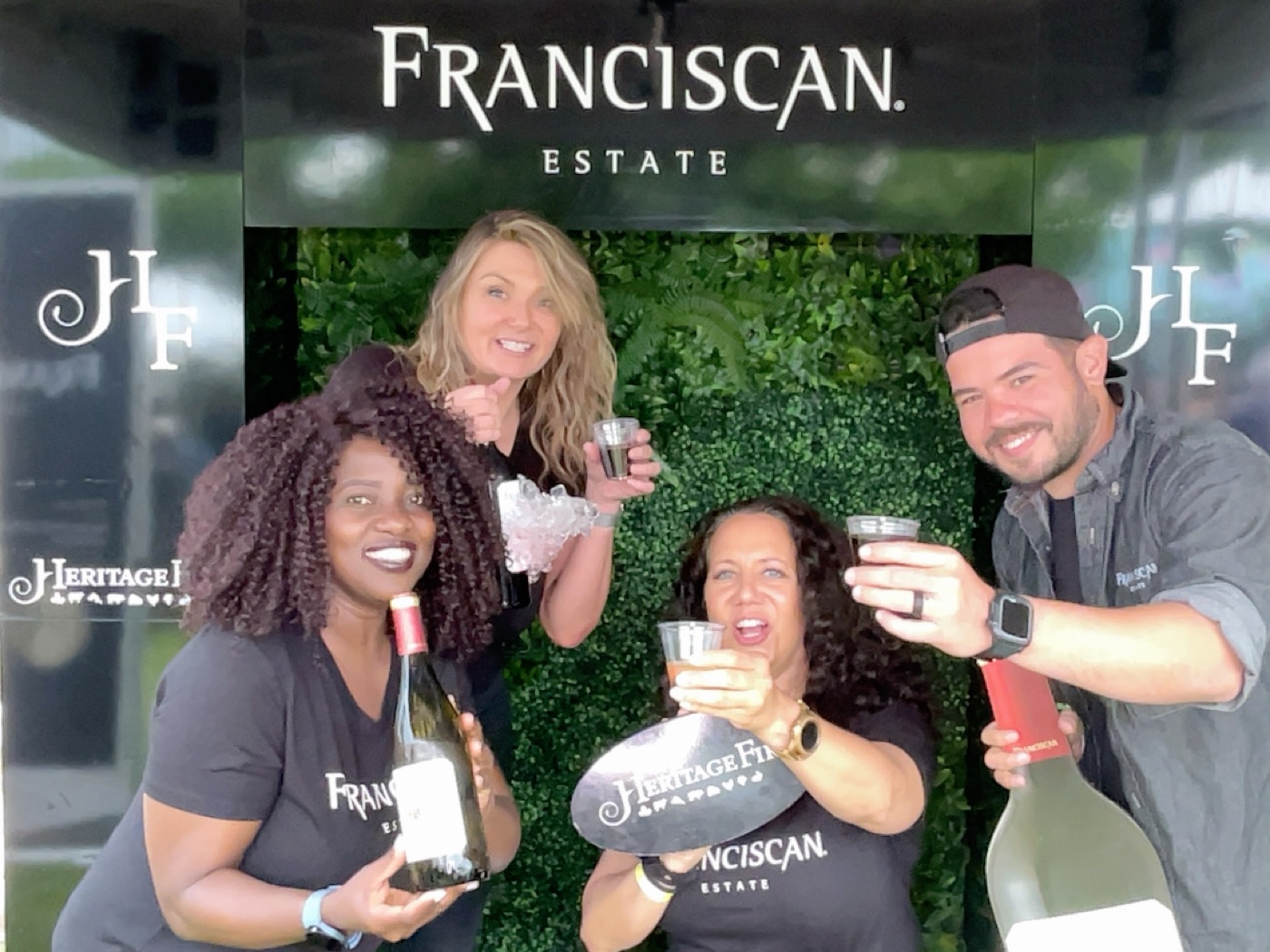
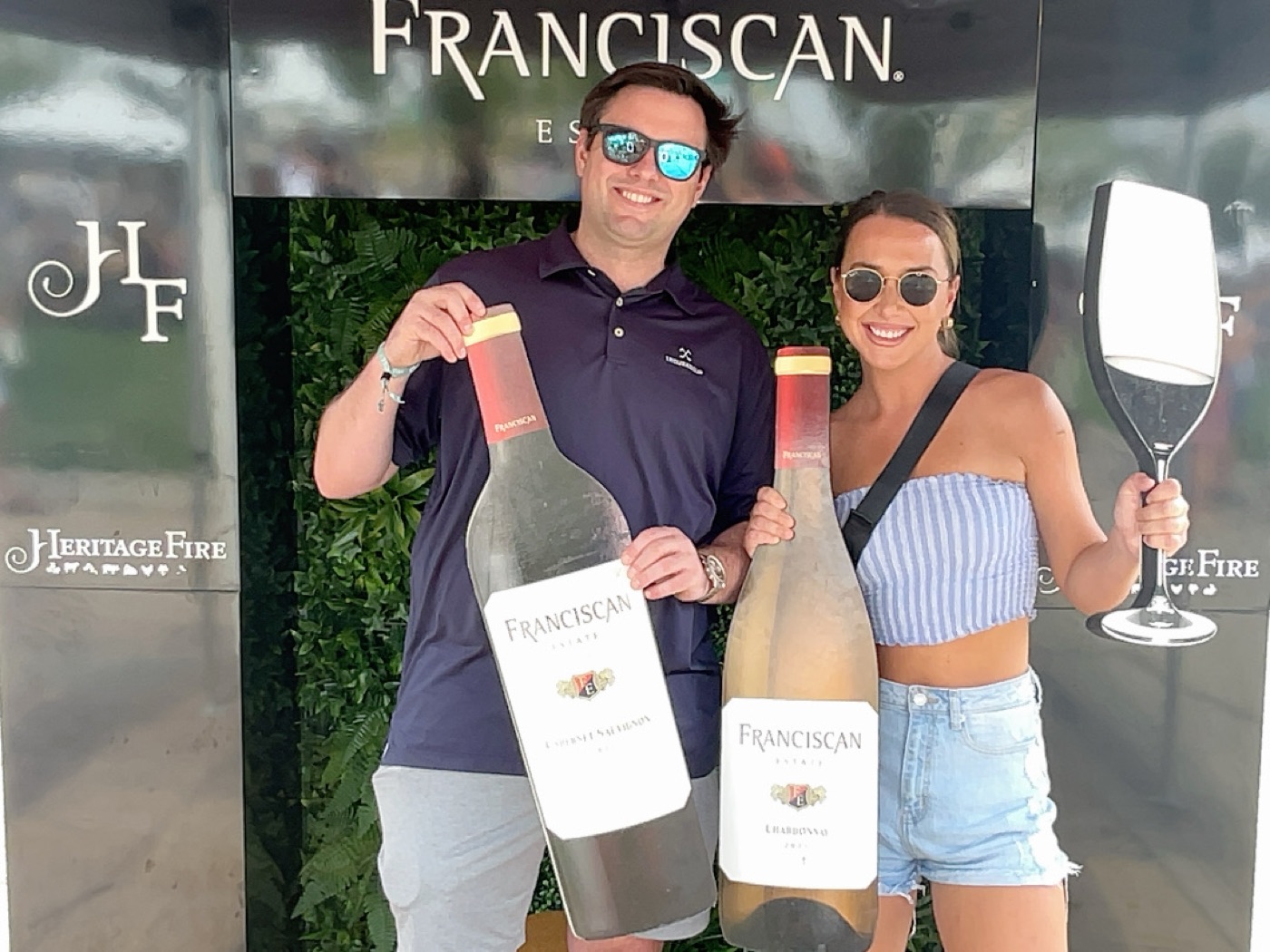
- Social element: Each stop on the tour featured an area designed for people to take selfies for their social media platforms. In front of a Franciscan logo background, people could goof around with oversized props and take photos. This gave them an opportunity to play and participate and provided the brand with access to UGC too.
- Influencer partnership: Bringing in Canadian chef Jordan Andino to pour at the sample booth at two city stops on the tour generated press coverage and brought more people to the tasting booth.
- Strategic branding: Along with having a tasting stop midway along the festival's route, the brand also made a strong first impression by offering guests a welcome glass of its white or red varietals upon arrival. VIP guests were given a branded tote bag. As temperatures rose at the Napa festival, they handed out Franciscan-branded fans.
4. Chick-fil-A Rewards for Loyal Customers
Brand engagement encompasses a wide variety of tactics. The Chick-fil-A fast food chain is active on social media platforms, encourages community engagement, and runs advertising campaigns around its care for people. Yet, its customer rewards program stands out as a way to increase customer engagement.
The brand's identity is built around high quality chicken sandwiches, exceptional customer service, and values around family and faith. Part of its emphasis on experience is evident from the rewards program.
The company's user-friendly mobile app offers customers convenient order customization and helps them save time when collecting their meals. All the while, customers can earn points towards future orders to drive future revenue.
What Works About This Customer Loyalty Program
Chick-fil-A's digital platform for ordering and tracking rewards has several things going for it, including:
- Personalization: Loyal customers not only earn points and increase the likelihood of becoming repeat customers when they order online, but they can keep track of regular orders for efficient future purchasing.
- Data gathering: The app gives the company necessary customer data to gain insights into customer preferences and behavior.
- Exclusivity: The company uses its customer understanding to send exclusive promotions or discounts to rewards members. For instance, a code for their favorite sandwich at the location they most frequent.
- Surprise and delight: Chick-fil-A has been known to randomly select customers from their loyalty program and invite them to be part of a brand experience such as a behind-the-scenes tour of their local restaurant.
5. Airbnb & User-Generated Content
User-generated content can improve brand and customer engagement through the power of social proof. When a company shares content created by its users, it establishes credibility and builds trust with other potential customers.
Airbnb is a great example of a company that uses user-generated content to engage customers effectively. User-generated content can include reviews, photos, videos, comments, blog posts, social media posts, and more.
Airbnb's use of customer stories and reviews is particularly successful. For example, a "super host" gets that acclaim from guest reviews. Or a host might share a story on social media about sharing welcome drinks with guests upon arrival, which helps build a community.
Advancing Airbnb's Brand Engagement Strategy
Airbnb has let user-generated content (UGC) boost its brand engagement from the outset. And no wonder. Research suggests "over half (51%) of Americans trust UGC more than other information on a company website and claim that it influences what they buy and where they buy it from."
Posting user content to its social media channels helped the brand grow its community dramatically. In one study it saw its Instagram community increase 13% (which is the equivalent of 172,000 followers added).
Other key elements of Airbnb's user-generated content include:
- Creating community involvement: Guests are invited to review and rate their experiences. Their testimonials (whether positive feedback or not) and data are then shared publicly to create a sense of community and trust among its users. Customers use each other's feedback to make more informed booking decisions. Engaging customers in this way can increase brand engagement.
- Partnerships with travel influencers: Influencer generated content gives Airbnb extended brand reach. Having travel influencers the target audience already trusts give their thumbs up to properties can drive interest and booking activity.
- Unique experiences: When guests visit unique properties, like a tiny home on the beach or a home with floor-to-ceiling windows looking out over a mountain range, they post videos and photos that Airbnb can amplify for brand reach.
- Exclusivity: Posting UGC photos and video to the company website and social media demonstrates the potential experience someone might have with Airbnb. There is also a sense that this opportunity is only available to someone who books through Airbnb.
- Personalization: Using authentic user content on Facebook, Instagram, and other social channels and customer feedback on the website helps to foster customer engagement while highlighting the personalized customer experiences people have with the brand.
- Consistency: Airbnb's brand identity is focused on unique, personal travel experiences. It's seen throughout their messaging; the UGC from existing customers adds a highly effective way of demonstrating those values in an authentic way.
Q: Why does user-generated content work so well for brand engagement?
A: It builds trust through social proof. Research shows 51% of Americans trust UGC more than a company's own website, and it directly influences what they buy and where.
Lessons Learned From Successful Campaigns
Effective brand engagement strategies have several things in common. One, the company or its brand marketing agency identifies and understands the target audience. Second, they set clear objectives and then determine the best customer engagement strategies to meet those goals. They measure brand engagement to determine next steps.
Using technology and analyzing data to continuously monitor and adapt strategies helps the brand learn and improve on the fly too. What makes customers engage and works to increase brand engagement will change as new customers join your community and trends change.
The examples we've shared here demonstrate the importance of personalizing customer relationships, the role of social media and digital platforms, the efficacy of engaging consumers in the content and brand community, and the need for consistent brand messaging throughout brand engagement efforts.
The Future of Customer Engagement Strategy
Expect more use of artificial intelligence, machine learning, and data analytics to drive customer engagement. Still, this embrace of technology won't negate the need for personalization and customer-centricity. Rather, you'll want to incorporate data-driven decision-making into customer engagement and measure brand engagement consistently to stay ahead of the curve.
Continuously adapting through innovation and experimentation is what sets brands apart. A Little Bird can help your brand build trust and loyalty with new and existing customers and drive long-term growth. Contact us.
People Also Ask
What are the key elements of a strong brand engagement strategy?
A customer-centric focus, consistent messaging and visual identity across platforms, multiple channels for personalized experiences, content that encourages active participation, and a commitment to customer satisfaction beyond the product itself.
How did A Little Bird help Franciscan wine achieve a 90% sampling rate?
By pairing the brand with the Heritage Fire Festival across 14 cities, adding a branded selfie moment with oversized props, bringing in an influencer chef to pour at select stops, and offering a strong welcome experience with branded gifts.
What makes Chick-fil-A's rewards program effective for brand engagement?
It combines personalization, useful customer data, exclusive member promotions, and "surprise and delight" moments like behind-the-scenes restaurant tours, turning routine purchases into a deeper brand relationship.
How much does user-generated content influence purchase decisions?
Research shows 51% of Americans trust user-generated content more than a company's own website, and it directly influences what they buy and where they buy it from.
Frequently Asked Questions
What is brand engagement?
Brand engagement is a comprehensive approach to building emotional connections between a brand and its target audience through interactions, experiences, and communications that foster loyalty and active participation.
What are the benefits of a strong brand engagement strategy?
Stronger word-of-mouth marketing, increased sales and revenue, a competitive edge, more personalized customer experiences, deeper brand trust, and greater brand resilience in changing markets.
What is an example of a successful brand engagement campaign?
Apple's product launch events, Nike's decades-long "Just Do It" campaign, A Little Bird's Franciscan wine tasting tour, Chick-fil-A's rewards app, and Airbnb's use of user-generated content are all strong examples, each using different tactics to build connection.
How do you measure brand engagement?
Start by identifying and understanding your target audience, set clear objectives, choose the customer engagement strategies best suited to meet those goals, and continuously measure results using technology and data to adapt as needed.
What role does technology play in the future of brand engagement?
Artificial intelligence, machine learning, and data analytics will play a growing role in customer engagement, but they won't replace the need for personalization and customer-centricity, they'll support more data-driven decisions within that same human-centered approach.