
Key Takeaways
- Product sampling dates back to the 1850s and remains one of the most reliable ways to get a product into a consumer's hands before they buy.
- Food and drink, cosmetics, skincare, and FMCG/CPG brands all benefit heavily from sampling, though each faces its own nuances and regulations.
- There are five core types of sampling: digital, influencer, event, indirect, and in-store, each with different reach, cost, and feedback tradeoffs.
- Sampling drives immediate feedback, brand awareness, loyalty, and sales, and word-of-mouth from a positive sampling experience can be up to 7x more effective than print media.
- The biggest drawbacks are limited reach, cost, product waste, and the risk of getting no feedback at all, all of which a well-designed strategy can manage.
Quick Links
- Product Sampling: What It Is
- Businesses That Should Use Product Sampling
- Types of Product Sampling
- Benefits of Product Sampling
- Product Sampling: Challenges & Drawbacks
- The Final Verdict
- People Also Ask
- Frequently Asked Questions
Product sampling isn't anything new to consumers. In fact, it's thought to be one of the earliest types of marketing performed with consumer goods and services. Starting in the 1850s, soap manufacturer Benjamin T. Babbitt saw his business grow after handing out free samples to his consumer base.
Ever since then, product sampling has blossomed into a marketing strategy used by thousands of businesses all over the globe. There are numerous types of sampling strategies and ways to get your product into the hands of consumers.
The marketing landscape is constantly evolving and continues to produce creative ways to market products to consumers. Yet product sampling remains a key strategy, year over year, despite new technologies, platforms, and innovations.
So is product sampling worth the investment, or is it overrated? Was that soap guy onto something that stands the test of time? Below, we take a look at the different components of product sampling: what it is, its different types, benefits, and drawbacks, to answer these very questions.
Product Sampling: What It Is
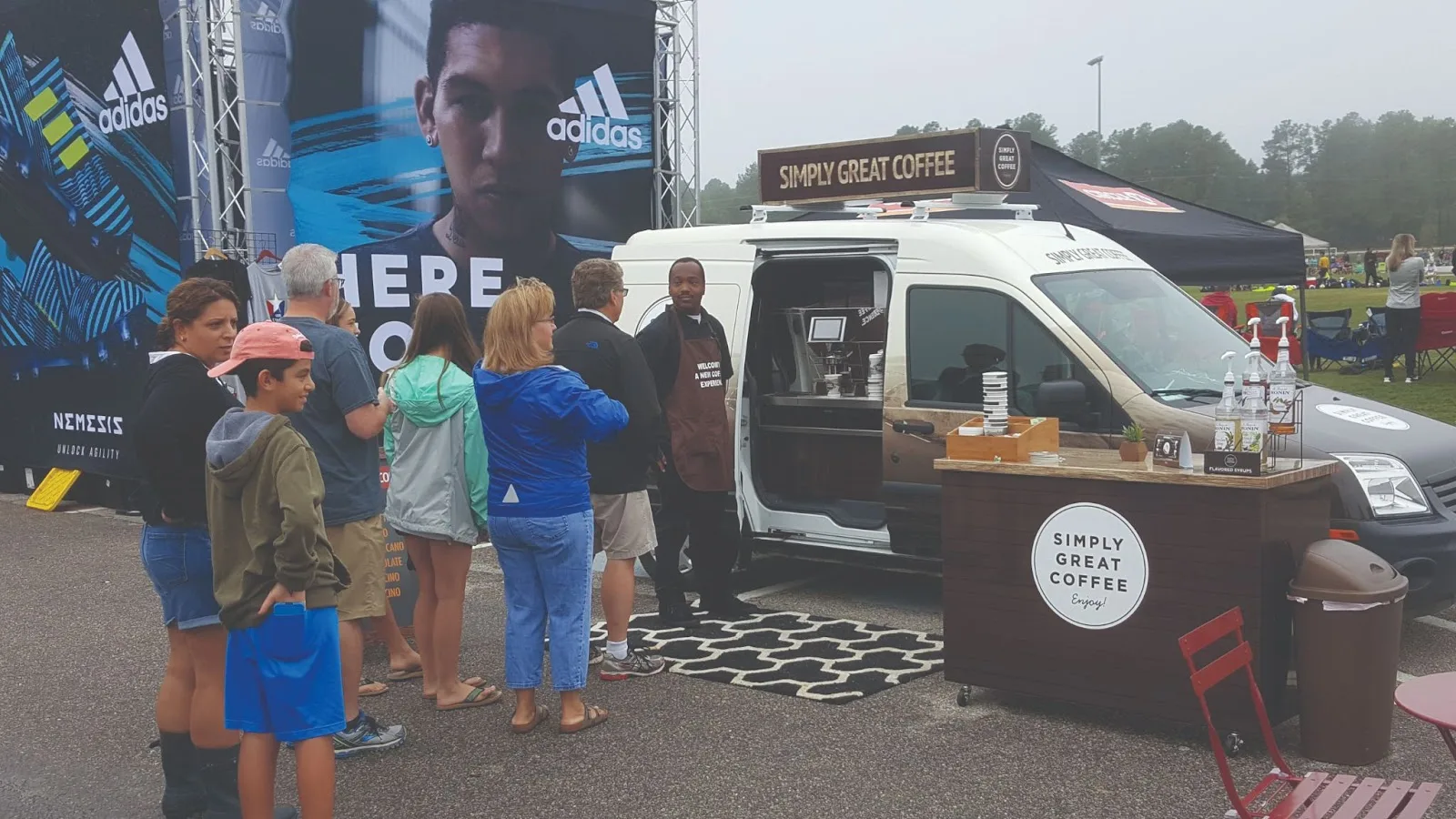
Product sampling is a specific type of experiential marketing where businesses give consumers free samples of a product.
Product sampling is typically designed to increase brand awareness, boost sales, drive positive reviews, and achieve KPIs related to business growth. It doesn't just benefit the business, it gives consumers a way to try a product before fully committing to it or making a purchase.
Although it may seem simple, product sampling campaigns aren't easy to execute. There are different types of sampling strategies and ways to deliver products to consumers. Companies also have to account for the setting, consumer base, and any regulations or laws associated with distributing a product.
The Key to Product Sampling Campaigns
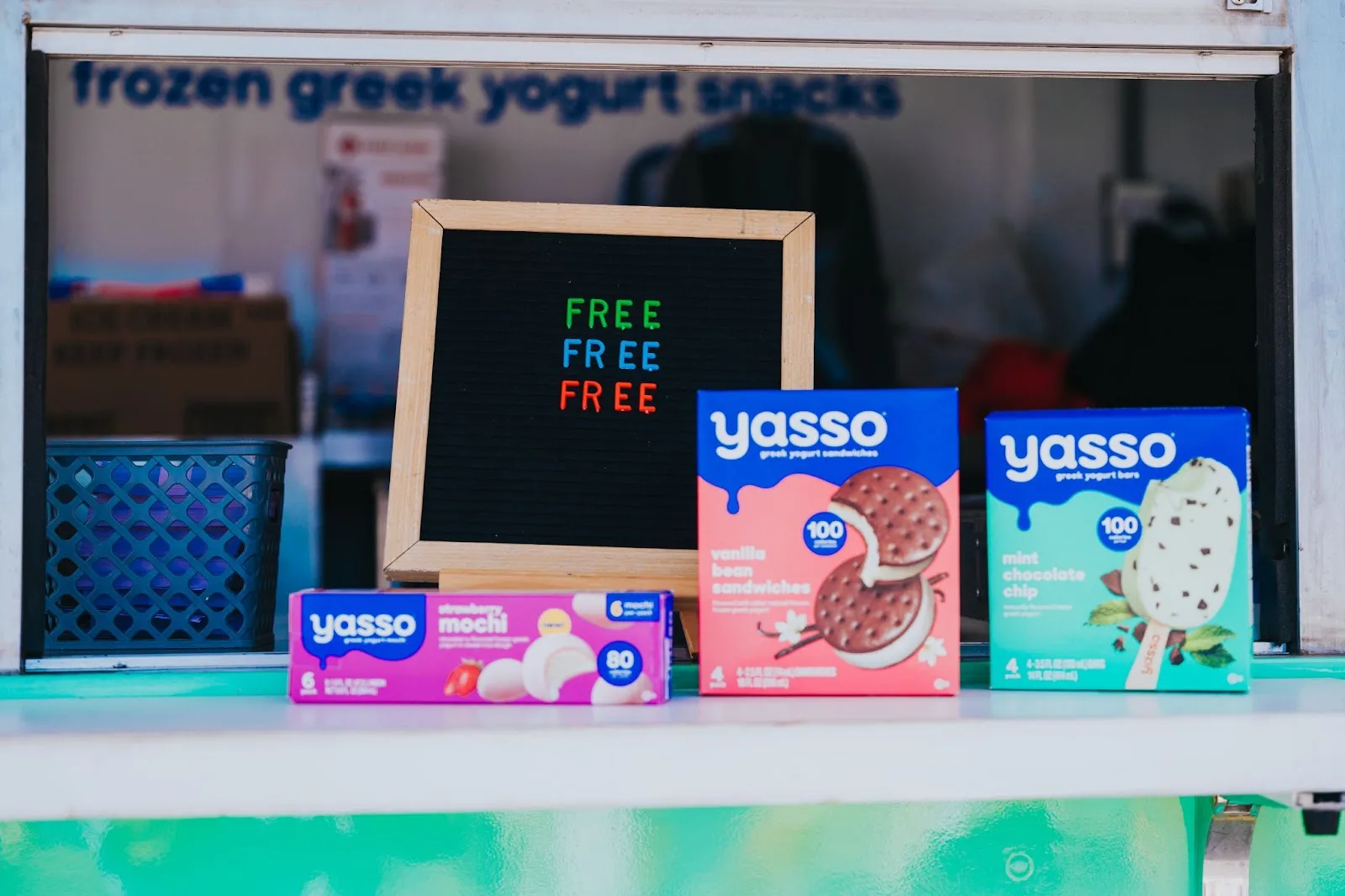
Free, free, free. Did we mention free? The reason so many people are attracted to product samples is because, typically, they're free product samples. People love free.
Q: Is product sampling still effective in today's crowded marketplace?
A: Yes. Despite new digital channels and platforms, sampling remains a reliable marketing strategy because it lets consumers try a product firsthand before committing to a purchase, something no ad can fully replicate.
Businesses That Should Use Product Sampling
You may be wondering, "Is product sampling right for me?" We hear you. Most likely, if you're asking the question, the answer is yes. Below are just a few examples of businesses that could benefit from product sampling campaigns.
Food & Drink Businesses
Even if you're not in the food and drink industry, you can imagine how difficult it is to be successful. It's one of the more difficult industries to enter, for a variety of reasons.
However, this doesn't mean it's impossible to be a new brand in this industry. One of the most effective forms of marketing that suits food and drink businesses is product sampling.
To be clear, you don't have to give away millions of samples to entice consumers into buying your product. What we are saying is that you should consider adding sampling campaigns to your overall marketing strategy. The more people know about your brand and get to experience it before making a purchase, the easier it will be for you to grow your market share.
At A Little Bird, we've helped a multitude of food and beverage companies execute product sampling campaigns and put themselves on the map. Talk to us today to get started.
Cosmetics and Beauty
Product sampling is hugely popular in the cosmetics industry. You've likely seen cosmetics sampling more times than you think. If you've ever gone to a large retail store's cosmetics section and seen rows of bright lights shining down on eyeshadow palettes, lipsticks, or blushes, you've seen product sampling in action.
While this is a more hands-off approach to sampling, the retailer works out an agreement with the brand and displays a few select products as testers so people can try the product before purchasing it. This is only one way to implement sampling in your cosmetics brand's marketing. There are plenty of other ways, too.
Skincare Businesses
Similar to the cosmetics industry, skincare businesses also benefit massively from product sampling marketing strategies. It works similarly to cosmetics and beauty sampling, but has its own nuances. Because skincare businesses may be held to higher legal and testing standards than cosmetics or other related businesses, you must have all your ducks in a row before you begin marketing.
If you ever have questions about whether your skincare business would benefit from sampling, you're in the right place. We'd love to discuss all the different ways we can help your brand with a product sampling strategy, including getting all the testing and compliance issues sorted out beforehand.
Other Businesses Selling FMCGs
FMCGs, or fast-moving consumer goods, are products that sell quickly at lower costs. They may have higher demand than other types of products and are relatively easier to manufacture and distribute. You might also know FMCGs as consumer packaged goods, or CPGs for short.
FMCGs and product sampling go hand in hand. The more people who find out about your products and test them out, the greater brand awareness and loyalty you'll build.
Types of Product Sampling
There are numerous types of product sampling, each of which provides different benefits to businesses that use them. Let's take a look.
Digital Sampling
Ever since the pandemic there has been a new influx of online shoppers, making digital sampling more popular than ever. This type of product sampling allows you to offer samples or trials of a product to consumers over any digital channel. Websites, social media, mobile apps, and even email are all different spaces where individuals can sign up and have free, travel-sized products mailed to them, or codes sent if it's a digital service being sold.
Many people suggest that digital sampling is the future of sampling, given how easy it is to reach people online.
Influencer Sampling
Another type of product sampling (which falls under digital sampling) is influencer sampling. In this type of sampling, the brand provides its product to an array of influencers, typically those in its niche, in exchange for customized content, also known as user-generated content, about the product. This content is published to the influencers' social channels, where their thousands or millions of followers get to see the product, see how it's used, and see the results.
While relatively straightforward, this strategy can be nuanced depending on each influencer's specific terms for accepting products. You also have to decide what type of influencer to invest in. You might engage a micro-influencer who can reach your niche audience in an intimate way, or a mainstream influencer who can help your brand catch fire. Like every marketing method, a lot depends on your goals, your audience, and what you're willing to spend.
Q: What's the difference between influencer sampling and event sampling?
A: Influencer sampling reaches consumers digitally through an influencer's social content, while event sampling reaches consumers in person, at a live event, allowing for real-time, face-to-face feedback that influencer sampling can't provide.
Event Sampling
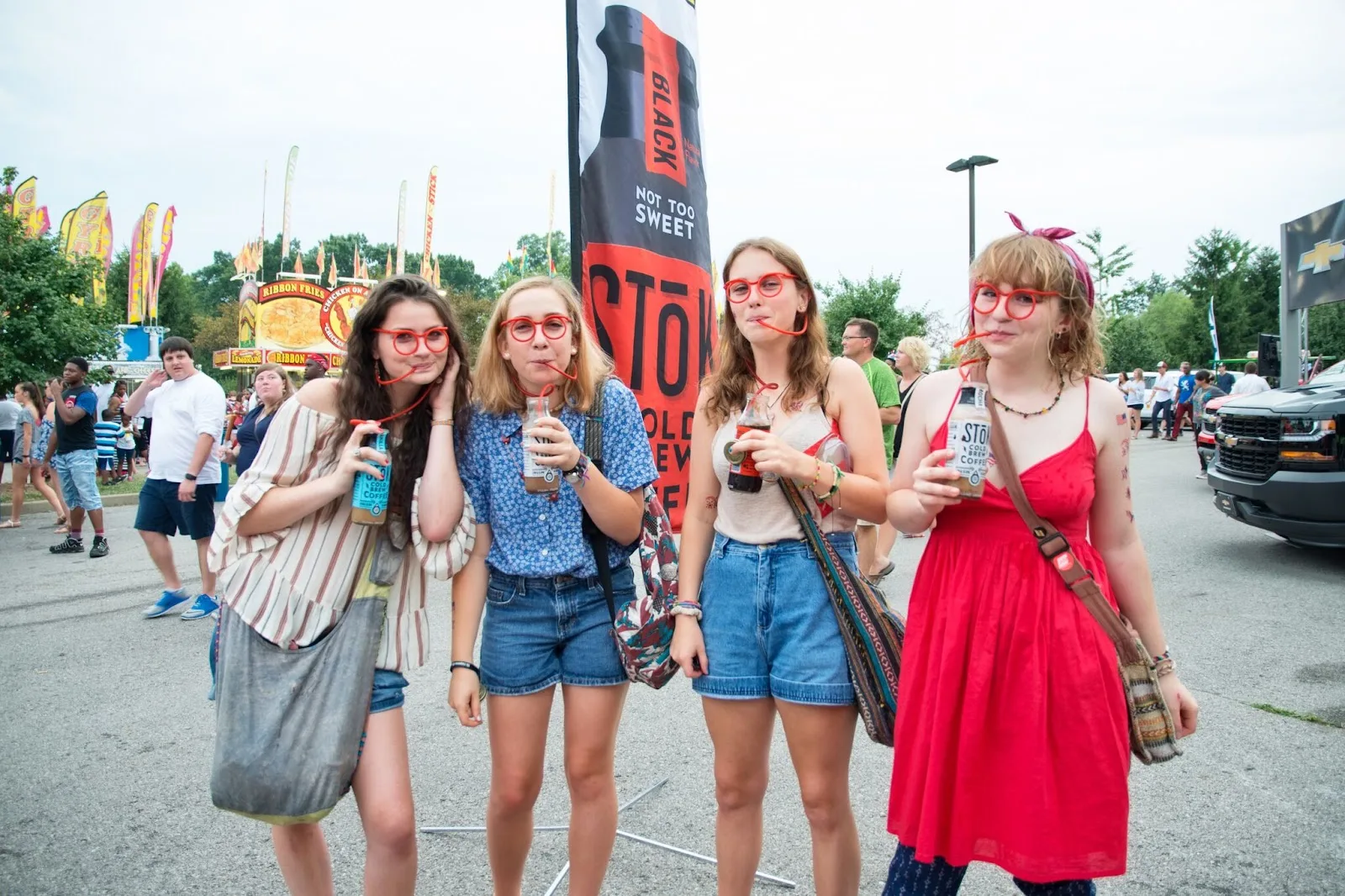
Here's another biggie: the wonderful world of event sampling. You've experienced it yourself, no doubt. You show up at large events and see vendors handing out free samples of products, or walking around and talking to attendees.
Event sampling presents a seamless way for brands to reach more members of their community and get immediate feedback about their products. Though it looks seamless, there's a lot that goes into event sampling. Anyone who has designed, developed, organized, and executed an event sampling campaign will attest that it's no small feat.
There are immense benefits for brands that take advantage of events. If you want to explore more, jump down to the benefits section below.
Indirect Sampling
Indirect sampling is exactly how it sounds. This type of sampling doesn't require brands to interact with consumers face-to-face. Instead, samples or trials are distributed indirectly, through a third party, such as media channels, influencers, magazines, or retail stores.
This type of sampling allows you to reach a wider audience, and it's convenient, both for the brand and for consumers.
In-Store Sampling
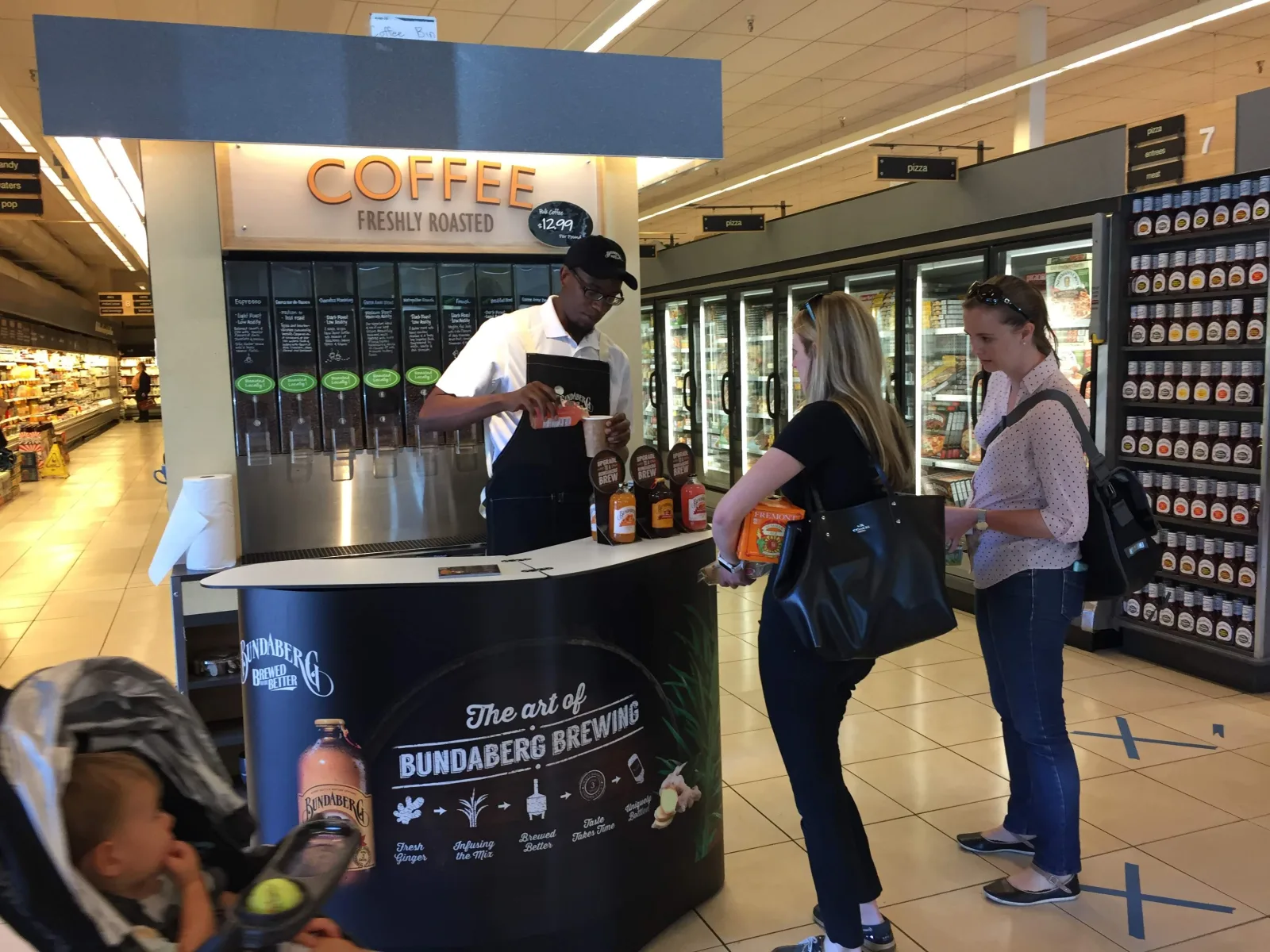
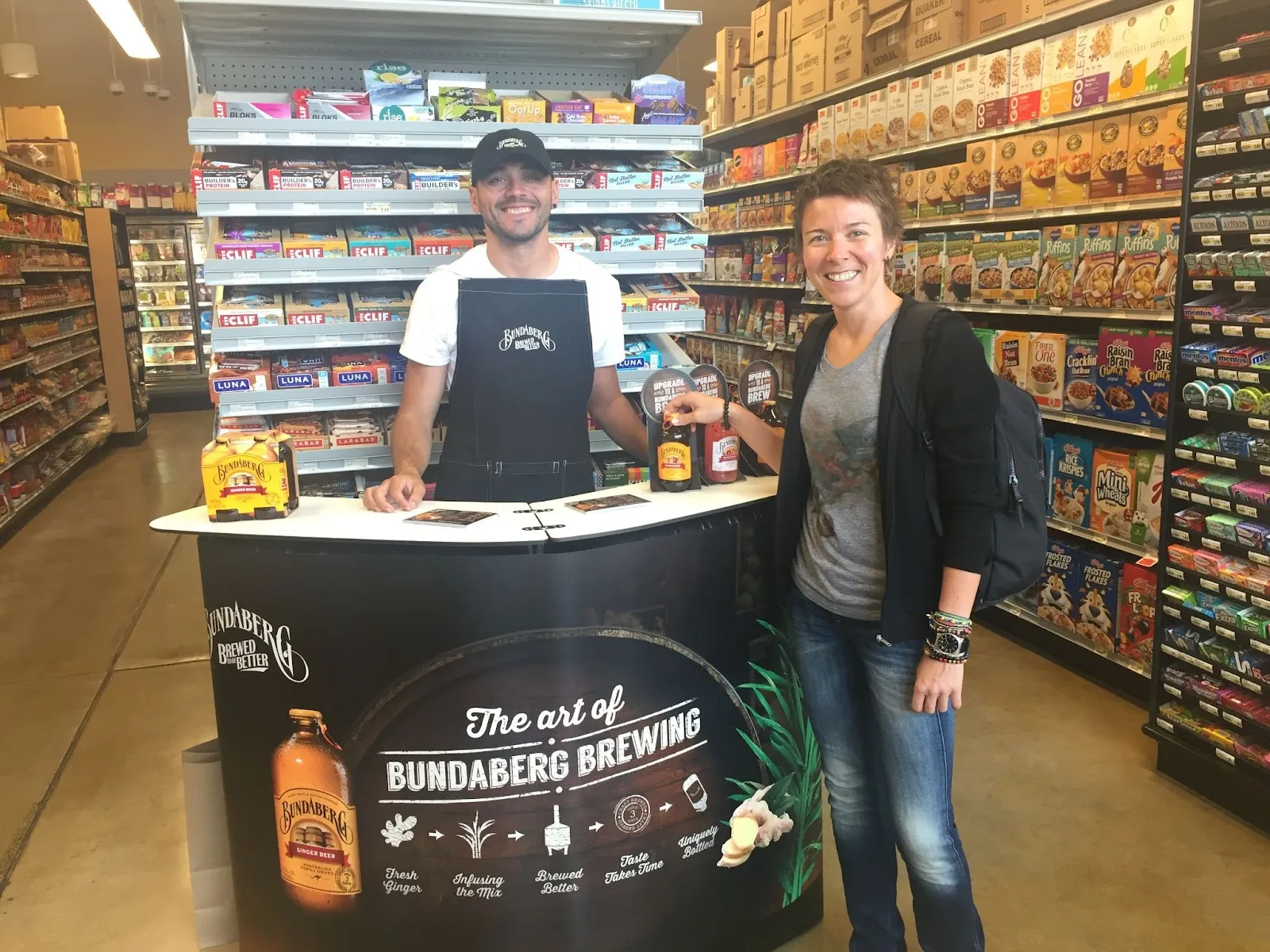
Last but certainly not least, we have in-store sampling. This type of sampling features small pop-ups at grocery stores, big box stores, or other common shopping destinations. Consumers visit your brand while they're going about their business, try a sample of a product, and, hopefully, add the product to their cart.
This gives you, the brand, an opportunity to reach people directly, interact with them face-to-face, and give them in-depth information about what you offer. It also gives consumers an opportunity to give you feedback, which can be worth its weight in future sales.
Benefits of Product Sampling
There are numerous benefits of product sampling. After all, it wouldn't be around after so many years if it weren't effective. Let's dive into some of the top benefits of product sampling for businesses.
Potential for Immediate Feedback
Depending on the type of product sampling you use, you have the potential to receive immediate feedback from consumers. You get this direct, authentic, and often actionable feedback most commonly from in-store sampling, event sampling, or any other type of sampling that involves face-to-face interaction with consumers.
In the business world, feedback is everything. It gives you an outside perspective on how you and your products can improve.
Furthermore, when consumers see you make those improvements, they'll feel heard, more connected to your brand, and more likely to make a purchase. Win-wins all around.
More Brand Awareness
Brand awareness increases when you implement a successful product sampling strategy. Hundreds or even thousands of people see your product and enjoy its benefits or applications. Outside of directly experiencing a sample, consumers see the packaging and logos in real life, improving the likelihood that they'll remember your brand.
With sampling campaigns, as with most marketing campaigns, driving brand awareness is everything. Taking advantage of this tactic can supercharge your brand's visibility.
Increased Brand Loyalty
Alongside more brand awareness, you'll also experience increased brand loyalty through sampling campaigns. People see your brand, interact with the products, and become familiar with your logo. They like the product and the experience, and now feel affinity toward your company. That's where brand loyalty follows, as people recognize your brand as a trustworthy, valuable, mainstream entity.
Next, word-of-mouth marketing (WOM) follows. People will spread the word about your brand from their positive sampling experiences. They'll post on social media, tell their family and friends, and maybe even recommend your products to strangers. According to Medium, WOM "can be up to 7 times more effective than print media, 4 times more effective than personal selling, and twice as effective as radio advertisement."
Increased Sales & Conversion Rates
At the end of the day, one of the most common goals of product sampling is to boost sales and increase conversion rates.
Whether you're investing in in-person sampling, where individuals have the opportunity to purchase the product right away, or going the indirect sampling route where people purchase at a later date, you're likely to see increased sales and more conversions.
Greater Brand Engagement
This is one of the first things we tell our product sampling clients when they work with us: you're going to get greater brand engagement. No matter your specific sampling marketing campaign, there's value in allowing your target audience to interact with your brand in a personal, intimate way.
Take this example: you're executing an in-store sampling campaign at a grocery store, with a small pop-up booth near the section of the product you're selling. You've got an array of samples ready, as well as coupons for anyone who decides to purchase your product that day. There are so many engagement opportunities available in that one footprint alone, it's up to the brand to take advantage of each one.
Product Sampling: Challenges & Drawbacks
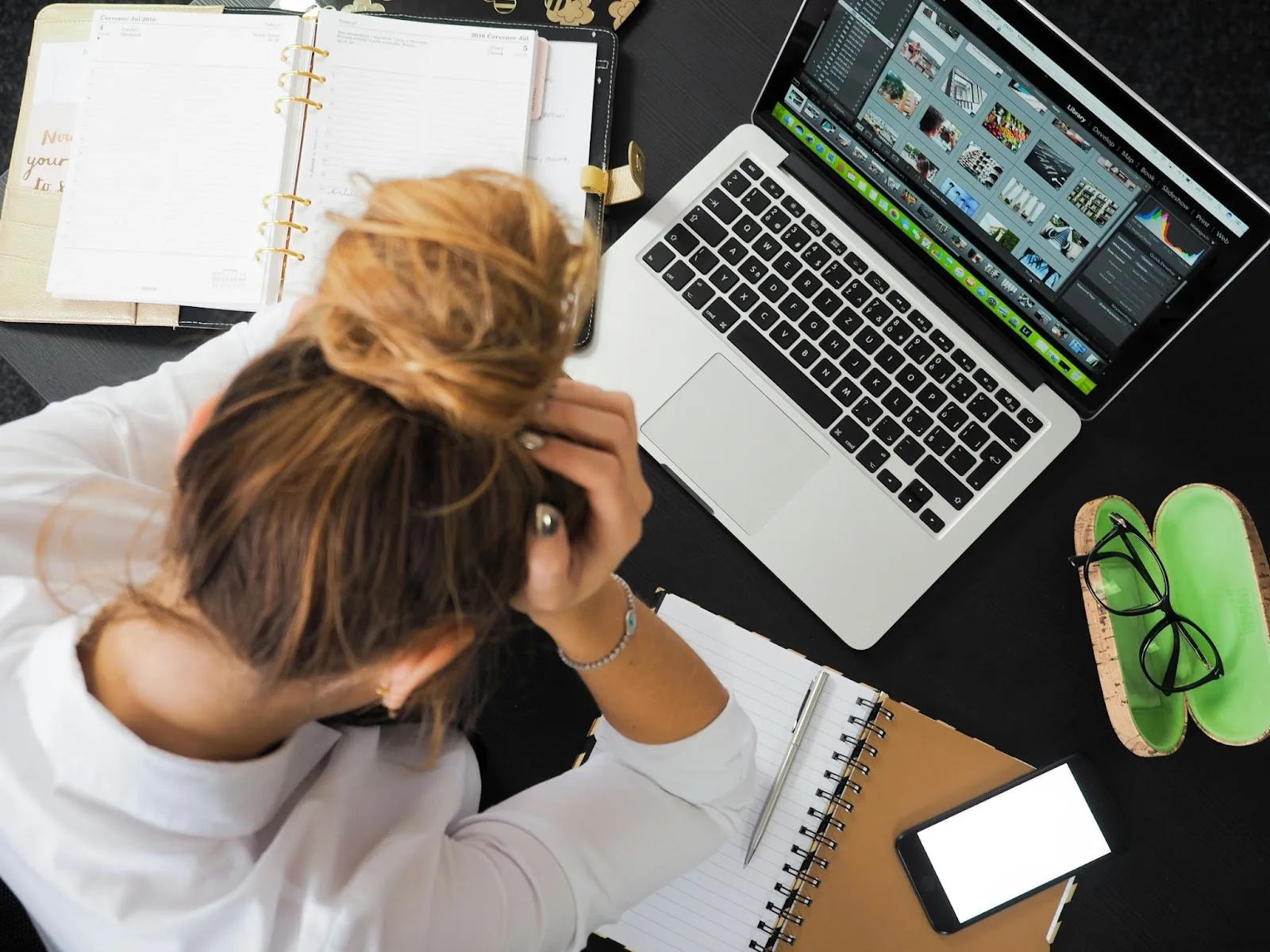
Unfortunately, product sampling isn't without its challenges or drawbacks. Here are some of the sticking points you may encounter when creating a product sampling campaign.
Limited Reach
Depending on the type of sampling campaign you run, you could have a limited reach. If you're distributing your samples in a small, local area, you might not be able to reach as many potential customers as you would distributing samples online or in a larger city.
This is typically one of the deciding factors of any sampling campaign. If your goal is to reach as many people as possible, you may not want to limit yourself to your local mom-and-pop shop. However, if you're looking for increased engagement in a single area, collaborating with local businesses is a great idea.
At the end of the day, it's all about your goals, budget, and understanding your customers' behavior.
Cost
The type of sampling you decide to leverage could get expensive. Digital sampling, influencer sampling, and indirect sampling are all among the priciest options.
Generally speaking, the more product samples you want to distribute and the more people you want to involve in your strategy, the pricier it gets. While distributing more product can be a successful strategy, you'll likely want an expert guiding the process to ensure you maximize your investment. Our team at A Little Bird can help you weigh the pros and cons and understand which investment leads to which reward.
Potential Product Waste
One of the biggest risks when conducting product sampling is the potential for product and packaging waste. This is especially true when you're distributing samples digitally to influencers or indirectly. Some people, for example, might decide they don't want the sample once they receive it, and throw it away. Not only is that product wasted, it might even be improperly disposed of.
Potential for No Feedback
As much as you might want feedback when giving away samples, people aren't required to leave any or provide their information for continued engagement. Some people just want free samples and don't want to give anything in return.
You can include incentives to encourage feedback or data, but the consumer receiving the product still might not follow through. It's a gamble you have to take.
The best way to ensure you get feedback and data is by using in-person sampling campaigns, so you can have real conversations with your audience.
The Final Verdict

While product sampling does have some drawbacks and challenges, it's a long-standing, successful, and valid marketing method, one that has withstood the test of time.
The way we look at it, every marketing strategy has its pros and cons, drawbacks and advantages. At the end of the day, what matters most isn't how many challenges a specific type of marketing has, it's how you design and leverage a marketing mix that helps you reach your goals.
A Little Bird is a high-impact, creative product sampling agency. Our team has decades of combined experience, including seasoned product sampling veterans who've spent years in the field. We understand how important it is to get campaigns right the first time. Contact us today, we can't wait to help your business grow.
People Also Ask
What businesses benefit most from product sampling?
Food and drink, cosmetics, skincare, and other FMCG/CPG businesses tend to benefit most, though nearly any brand that wants consumers to try a product before buying can use sampling effectively.
What are the main types of product sampling?
Digital sampling, influencer sampling, event sampling, indirect sampling, and in-store sampling are the five core types, each with its own reach, cost, and feedback tradeoffs.
Does product sampling actually increase sales?
Yes. Sampling boosts brand awareness and loyalty, and word-of-mouth from a positive sampling experience can be up to 7 times more effective than print media, which translates into measurable sales and conversion lift.
What's the biggest risk of running a product sampling campaign?
Product and packaging waste is one of the biggest risks, especially with digital or indirect sampling, along with the possibility of limited reach or getting no consumer feedback at all.
Frequently Asked Questions
What is product sampling?
Product sampling is a type of experiential marketing where businesses give consumers free samples of a product to try before they buy, increasing brand awareness, trust, and sales.
Is product sampling still worth the investment?
Yes. Despite new marketing technologies and platforms, product sampling remains a key strategy because it lets consumers experience a product directly, something ads alone can't replicate.
What are the different types of product sampling?
The main types are digital sampling, influencer sampling, event sampling, indirect sampling (through a third party), and in-store sampling.
What are the drawbacks of product sampling?
The main drawbacks are limited reach, cost, potential product or packaging waste, and the risk of receiving no feedback from the people who take a sample.
How can A Little Bird help with a product sampling campaign?
A Little Bird is a full-service product sampling agency with decades of combined experience across food and beverage, beauty, skincare, and CPG brands. Contact us to talk through your campaign.