

Key Takeaways
- Experiential marketing is any effort that lets consumers experience a brand in real life, and it's arguably the most impactful way to engage a target audience, drive sales, and build brand communities.
- Three elements make it work: brand authenticity, engagement and interaction, and memorable experiences.
- Common types include sponsored events, brand partnerships, guerilla marketing, product sampling, brand and product activation, and influencer and creator content.
- Measure success by setting a goal for each campaign, attaching KPIs to it, and stepping back to look at the bigger picture.
- The future of experiential marketing points to more personalization, greater use of technology, and more omnichannel experiences.
Quick Links
- Experiential Marketing Defined
- 3 Important Experiential Marketing Elements
- Different Types of Experiential Marketing
- Measuring Experiential Marketing Success
- The Future of Experiential Marketing
- How A Little Bird Helps
- People Also Ask
- Frequently Asked Questions
Imagine yourself in this scenario. You're attending a concert in a rather large stadium. You arrive at the stadium plenty early. Once you get through security, you're ready to take in all your surroundings. You walk toward the stadium and start to see the scene unfold.
Workers around the stage are getting everything set up and performing final sound checks. There are food stand employees cooking up delicious-smelling food. Additionally, there are bright, themed decorations plastered everywhere.
It's truly a sight to behold, and it feels like you've been transported into a different world. Someone even comes up to you and asks if you'd like to try the latest and greatest energy drink that XYZ company has released.
To heck with it, you decide. You're going to be there partying for hours, might as well have a little extra energy, right? The night goes on as normal and you have an amazing time at the concert, extra energy in hand.
Little do you know that the energy drink sample you tried and so very loved was an ingenious marketing technique known as experiential marketing. Experiential marketing leverages creativity and the human experience to help brands engage with consumers on a deeper, more intimate level.
There's a lot to experiential marketing. We don't mean to be cliché when we say this, but experiential marketing isn't like your other typical forms of marketing.
When executed correctly, experiential marketing campaigns can launch your brand into the spotlight, help solidify your reputation, and, most importantly, help your target audience remember you better.
Let's take a deep dive into experiential marketing today, and give you what you need to know about what it is and its different types.
Experiential Marketing Defined
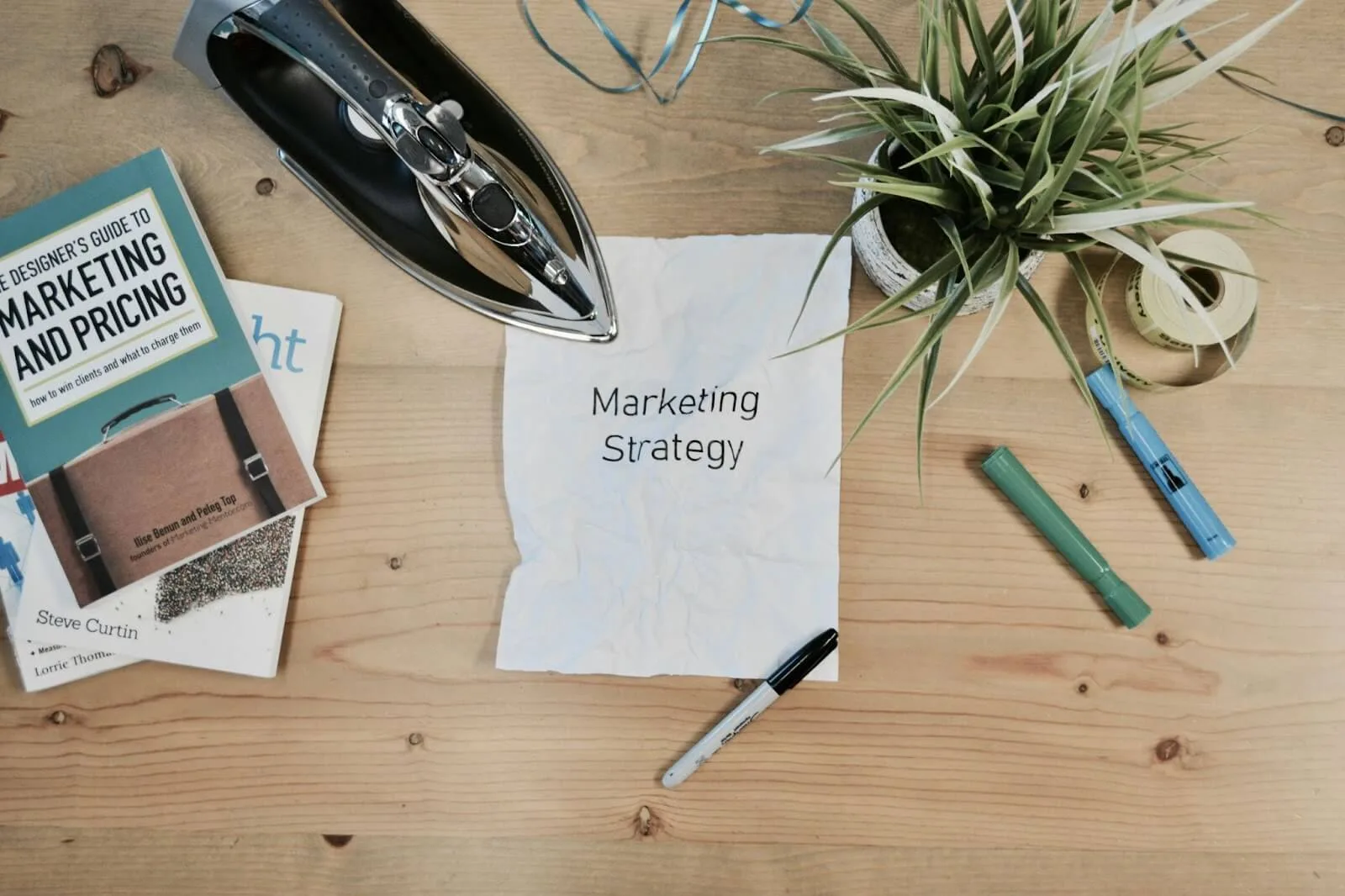
Experiential marketing is arguably the most impactful way for brands to engage their target audience, drive sales, and build brand communities.
People who are new to experiential marketing might see it as a double-edged sword, although once you get your metaphorical hands dirty in all things experiential marketing, it's much easier to understand than it seems.
Experiential marketing encompasses whatever efforts brands put forth that allow consumers to experience that brand IRL.
Whether that be the consumer understanding the brand's benefits, learning about the brand's history, or trying out a new wave of products the brand releases, that's all experiential marketing.
Essentially, it's whatever gets the consumer to experience the brand on a deeper level and engage with that brand. You can also call this type of marketing engagement marketing.
However, this open-ended definition of experiential marketing is also what makes it so confusing to businesses embarking on their experiential journeys for the first time.
Without a solid definition of experiential marketing, how are you supposed to create successful campaigns? Well, that's the fun part! You get to be creative!
Q: Is experiential marketing the same as engagement marketing?
A: The terms are often used interchangeably. Both describe marketing that gets consumers to experience and engage with a brand on a deeper level, usually in real life.
3 Important Experiential Marketing Elements

Here at A Little Bird, we understand that it can be confusing, difficult, and even downright frustrating to integrate yet another form of marketing into your business.
However, after learning about these three important elements of an experiential marketing strategy, you'll be more informed about it and ready to take on everything it has to offer.
Brand Authenticity
The first thing to keep in mind when it comes to experiential marketing is brand authenticity. It's paramount to a campaign's success. Yes, you have to be creative, and yes, you have to connect with your target audience.
But what happens if you stretch the limits a little too far?
If you go too hard and get a little lost in the sauce, you run the risk of creating campaigns and representing your brand as something it ultimately isn't.
Your experiential marketing should make people curious about your brand, and ready to dive head first into it. Experiential marketing is the best opportunity to bring your brand's story to life!
How to Stay Authentic
When you're trying something new, it can be difficult to know whether you've gone too far or didn't represent yourself in the right ways.
To avoid this risk, try putting yourself in the shoes of consumers. Ask yourself if it's obvious what messages you're trying to convey. Ultimately, your target consumer should walk away with an emotional connection to your brand that resonates because they love your story and love what you represent.
If you can't truly answer "why do we exist" and tell your brand story through your experience, it may be time to revisit how you deliver that message.
Engagement and Interaction

Another important facet of experiential marketing is audience engagement and interaction. The goal with this part? Entice consumers as soon as they first come across the physical experience, whatever that may be. After you reel them in, you want to keep them hooked on your message, products, or the brand history that's relevant to that specific campaign.
Give something to your audience or give them something to do. Playing fun games, asking trivia questions, and giving out samples are only a few examples of how you can foster this interaction and engagement.
Don't Be Overbearing
There's a fine line between just enough and too much. What you don't want to do is overwhelm people with all the different senses, experiences, and information in your experiential strategy at once. This leaves a bad taste in the consumer's mouth, and definitely won't give them something good to remember.
If you're creating an experiential campaign for the first time and need some help, talk to us! Our team at A Little Bird has a diverse group of people with different experiences who can help you nail engagement and interaction. The ideas and opportunities are truly endless, but we're here to help you navigate to the perfect idea for you. Get in touch to see how we can help!
Memorable Experiences

Last, but certainly not least, we come to the experiences themselves. We're not going to come right out and say it's the most important part of experiential marketing, because that's hard to do. But it is pretty close.
When you're creating experiences for your consumer base, you want to make sure you leave them with something to remember. Some positive statistics, the way your brand improves people's lives, samples if applicable, and/or a physical object (such as a fun branded premium giveaway) is going to help them recall why they love you. It's this part of the process where you can get a little more creative.
Ask yourself, "How do I want my brand to be remembered?" and "What is the emotional connection I want this experience to spark?" You can piggyback off those questions to create the most authentic, creative, and memorable experiences possible for consumers.
An Extra Note
Of course, we have to throw a minor disclaimer in here. You could probably already guess what it is by this point, but we thought we'd include it just in case. Make sure your experiences are memorable in a good way, not a bad one!
Q: What happens when an experiential campaign isn't authentic?
A: The brand risks representing itself as something it isn't. Consumers should leave with an emotional connection to the brand's real story, so if you can't answer "why do we exist" through the experience, revisit the message.
Different Types of Experiential Marketing
There are many different types of experiential marketing that companies use to help bring people closer to their brand. Here, we take a look at some of the most common.
Friendly disclaimer: this is a non-exhaustive list of experiential marketing types. Essentially, whatever accomplishes the goal of experiential marketing can be thought of as a viable strategy! For real-world inspiration, see these experiential marketing examples.
Sponsored Events

A huge strategy within experiential marketing is sponsorships and sponsored events. If you've ever seen people wearing shirts associated with a specific event with different brand names on them, that's a telltale sign you're at a brand-sponsored event. And you'll likely see a lot of brands that align with your particular lifestyle and the variety of lifestyles associated with the event itself. Here's what makes these events a form of experiential marketing.
Say you have a large event. Obviously, it costs money to put any event together. You need to purchase permits, building materials, food, security, and more. Additionally, you have to recruit volunteers or employees to put the event together.
To raise funds for large events, the host of the event typically enlists the financial assistance of businesses and companies in the surrounding community.
Not to get all scientific on you, but sponsored events can be thought of as a symbiotic relationship. The event leader receives necessary funds from the businesses in exchange for letting those businesses advertise themselves in some way.
Brand Advertising at Sponsored Events
There are many experiential marketing examples you can see at sponsored events. Brands sponsoring the event can set up pop-up brand experiences and distribute samples to event-goers. They can also engage in guerilla marketing, where they go up to people and focus their attention on the brand. The possibilities are endless!
While you might have some constraints set on you by the event's organizer, you can also get pretty creative at these sponsored events.
Partnerships With Other Brands
Similar to sponsoring large events, brands can also partner with one another as a form of experiential marketing. Whether through collaboration on a product, combining forces on product activation efforts, or something related, there are tons of possibilities in partnerships.
Typically, brands that are closely related by niche form a great partnership. It wouldn't really make sense if brands with completely unrelated products all of a sudden started pushing out experiential marketing campaigns together left and right.
Can you think of a time when you've seen experiential marketing in the form of brand partnerships?
Guerilla Marketing

Now we get to the odd one of the bunch: guerilla marketing. Although you might not recognize it now, you've definitely experienced it before.
Any time you've been walking around the state fair, at a concert, or at another large event, you've probably had people come up to you, hand you a sample, ask you questions, and/or quickly tell you about their brand's story. You, not expecting this sudden interaction, stop walking and focus your attention on the "surprise and delight" at hand.
While not all guerilla marketing has to look like the scenarios you've probably been in before, it's all made up of the same traits.
It's Unconventional
One of those traits is that this type of experiential marketing is unconventional and creates an immediate emotional connection with consumers. It doesn't look like or function as the typical marketing campaign that people expect and recognize as marketing.
This is because you're directing people's immediate attention toward you, and can have them intimately interact with your brand.
It Won't Break the Bank
Additionally, guerilla marketing is relatively low budget. You don't have to spend money on paid advertising, sponsorship or permitting fees, or anything else that's typically involved with other marketing ventures.
Brand representatives could very well go up to people without samples and surprise them with a coupon, or directions to the nearest store that sells their product.
Creativity to the Max
Lastly, you can get creative with guerilla marketing. Since there aren't many constraints on you from a budget standpoint, you can come up with several different ways to grab people's attention and deliver your "reasons to believe."
Product Sampling
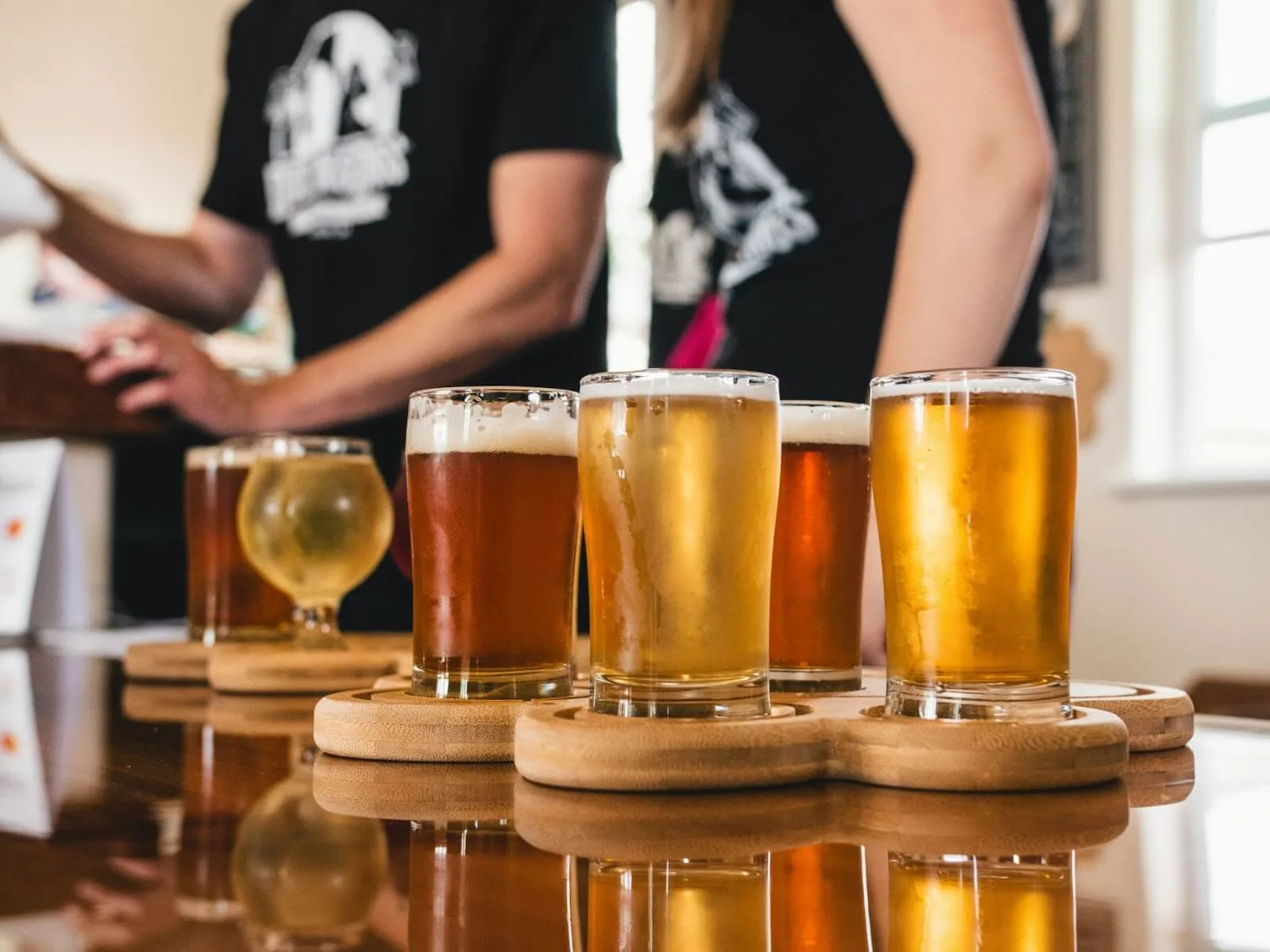
Product sampling is just how it sounds. Although the method of giving away samples varies from campaign to campaign, the core idea of this experiential marketing approach is the same.
Product sampling involves giving away free samples of your product to people before they commit to making a purchase. It is one of the most widely used forms of experiential marketing and plays really well on the five senses. People can taste and/or interact with the product, ask questions, become engaged, and get a feel for how they'd use the product. Product sampling is, in fact, very often integrated with all of the other experiential tactics we're covering here. There's nary a human on earth who doesn't want to try before they buy!
Digital Product Sampling
In our digital age, more and more businesses have started incorporating technology into their product sampling. Digital sampling allows you to personalize who gets the products and lets you gather more information about your target audience before distributing the samples. It also lets you gather feedback from consumers afterward, which is huge in the world of participation marketing and traditional marketing.
Q: Why is product sampling so effective?
A: It lets people try before they buy. Consumers can taste or interact with the product, ask questions, and picture how they'd use it, and sampling pairs naturally with nearly every other experiential tactic.
Brand and Product Activation

Brand activation and product activation are slightly different but fall along the same lines in experiential marketing. Brand activation refers to any processes and actions you take that help increase the awareness of your brand. It can be thought of as a brand "launch" where you either increase engagement or seek to inform consumers about your up-and-coming brand.
Product activation, on the other hand, involves getting more people aware of a certain product you sell, regardless of how new the product is. It can be used for existing products to help increase sales and interest. But it can also be used to generate interest in a new product you're planning to launch. Learn more about brand activation services.
Influencer and Creator Content Marketing
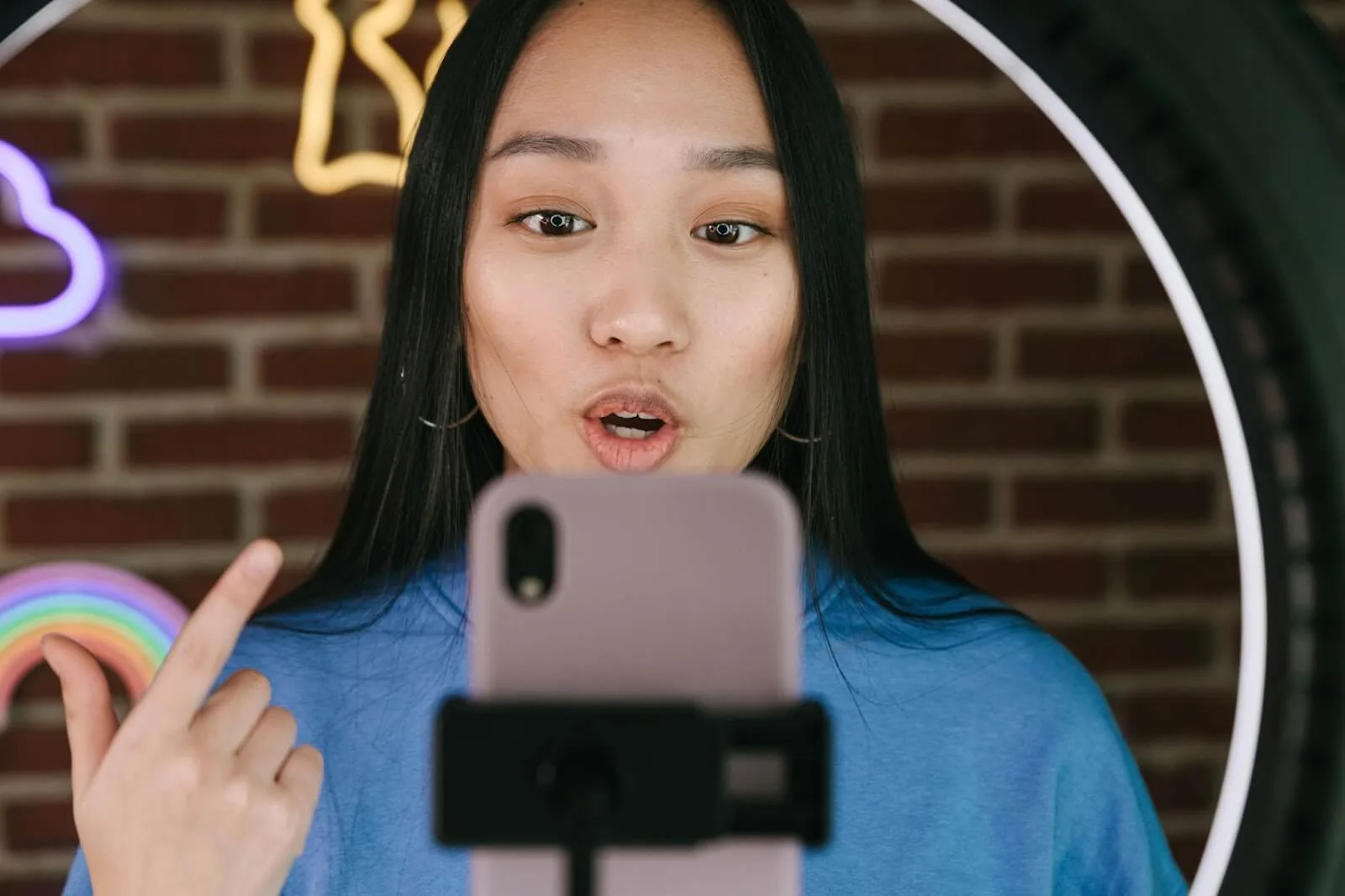
With social media being all the rage these days, we wouldn't be doing you justice if we didn't talk about influencer marketing as it relates to experiential strategies. When you think of influencers, you probably imagine a large social media presence combined with a dedicated following. When you put those elements together with experiential marketing, you have a recipe for success.
Using our definition of experiential marketing, local influencers and creators can add to experiential campaigns in numerous ways.
Sponsoring Influencer Content
For starters, you can sponsor influencer content. You can provide guidelines on exactly what to say or what kind of message you want them to deliver. Assuming they have a positive relationship with their fanbase, that's hundreds, thousands, or possibly millions of people who are exposed to your products and all the benefits they provide.
In-Person Influencer and Brand Experiences
You can also use influencers in conjunction with in-person brand experiences like pop-ups or as part of larger events. While it's not a route that suits every brand, having influencers as part of these experiences can help create even more engagement and interaction between consumers and your brand.
Invite Local Creators to Attend Your Activation
Here's the big secret that too few brands are taking advantage of. Experiential marketing should be and IS a content-generating machine! UGC in particular is where content marketing is headed, and what better way to capture authentic consumer engagement than by having the people your target consumers trust most share their amazing experiences with their audiences, in the most authentic way?
Oh, and one more secret: this doesn't have to break the bank either. The creator economy post-COVID is riper than ever, and often far more affordable than contracting with large mega-influencers who, let's face it, often don't have high engagement numbers compared to their actual audience size.
Measuring Experiential Marketing Success
Because there are so many different types of experiential marketing, it can be difficult to measure success. However, you must analyze your efforts after experiential campaigns so you can save time, money, and effort when creating future campaigns.
Here are some of our top tips for measuring the success of any experiential marketing campaign.
Tip #1: Determine Each Campaign's Goal
Before you can measure the results of an experiential campaign, you need to understand the goals behind it.
What are you trying to achieve by launching each specific campaign? Do you simply want to increase visibility, or are you looking to hit a specific sales mark?
Having solid goals for each of your experiential campaigns helps you collect solid data at the end of them.
Tip #2: Attach KPIs to Those Goals

Now you'll need to attach certain data points, or KPIs, to those goals. When doing this, think about specific units of measurement that help define your goals.
If you're looking for increased engagement, perhaps that KPI could be the number of samples you give away, or positive reviews that consumers leave for the product. If your campaign goal is increased sales, you can look at a dollar amount as your KPI for that campaign.
Once you have these locked down, you can accurately identify where you succeeded the most in your experiential marketing plans. Data also helps you identify areas where you might not have succeeded as much as you wanted to.
And last but not least, how much content did your experiential campaign deliver? Was it just influencer content, or did you spark authentic, positive conversation across social and other media channels? Moreover, did you leverage your experiential content strategy to ensure your activations produced content and media that can and should be used across your other marketing channels?
Tip #3: Look at the Bigger Picture
It's always important to look inward and ask yourself how you feel the experiential campaign went overall. Did you feel like it went well, and did you learn lots of new information about your target audience? Did you receive valuable feedback from consumers that you can use to improve your brand?
Take a look at the bigger picture and take some time to reflect on the overall results of the campaign. What do they mean to you and for the future of your brand?
Q: What KPIs should you track for an experiential campaign?
A: Match KPIs to the campaign's goal: samples distributed or positive reviews for engagement, a dollar amount for sales, and the volume and quality of content and social conversation the activation generated.
The Future of Experiential Marketing
Doesn't experiential marketing sound cool? Being creative while also sticking to your guns and putting your best business foot forward is fun stuff. There are so many different strategies you can use to make your experiential marketing ventures unique and special to your brand.

We'd like to take a moment to look ahead and identify some things we can expect to see in the future of experiential marketing.
Even More Personalization
Of course, we can expect experiential marketing campaigns to get even more personalized. As production processes become more streamlined and we take advantage of being in a digital era, brands will be able to collect data faster than ever before.
This means being able to personalize products, personalize marketing efforts, and deliver all that information to consumers quickly. The more something is personalized, the more people relate to it. The more people relate to something, the more they'll be compelled to make a purchase!
Greater Use of Technology
This one is pretty much a given. Companies are going to be able to leverage advances and innovations in technology to their advantage. Not only will this help streamline their daily business processes, but it'll help with advertising efforts, too.
We already know how helpful technology can be in experiential marketing. The more tech we can efficiently involve, the more successful we can be with campaigns!
More Omnichannel Possibilities
In the future of experiential marketing, there's no doubt that we're going to see an increase in omnichannel experiences.
An omnichannel marketing method refers to businesses that promote their products across all types of channels in a cohesive, unified way. Combine this with your next set of experiential marketing events, and you've got a recipe for increased brand loyalty.
How A Little Bird Helps

Here at A Little Bird, we specialize in all things experiential marketing. From the very start of your experiential marketing campaigns all the way to data analysis, we're there to help you see the most success possible.
Our approach to helping your business with experiential marketing consists of three main steps: a planning stage, a development stage, and an implementation stage.
Of course, we also help you analyze the campaigns once they're done, as mentioned previously.
We Love to Plan
Our team of dedicated experiential marketers is there to help plan, plan, plan. Marketing trends are always changing, technology is always evolving, and consumer needs always ebb and flow with these things. Instead of staying static and going with the same old, same old, we take planning your strategies to the next level.
We combine creativity with the data you give us to plan out the coolest, most effective experiential marketing efforts you've ever seen.
Next Up, Development
Now we put the plans into action. We take what's on paper and transform it into tangible items that, when combined, form the basis for an experiential marketing campaign.
During this stage, we understand that not everything's going to work the first time. This is why we create prototypes and test different concepts until we're certain they'll work by the time your larger campaign starts.
Seamless Implementation
At this point, a lot of the hard work and planning is done. It's time to put it into action and flip the switch on your experiential marketing campaign! Of course, we aren't just going to sit back and kick our feet up while the campaign unfolds. We'll monitor its progress and help you every step of the way.
Once any campaign concludes, we continue to make tweaks based on its data, so future endeavors are even better than the last.
So, are you ready to build a winning experiential marketing strategy? Contact us so we can learn more about you! We can't wait to connect with your business.
People Also Ask
What is experiential marketing in simple terms?
Experiential marketing is any effort that lets consumers experience a brand in real life, like tasting a sample at a concert or visiting a pop-up, so they engage with the brand on a deeper level.
What are the main types of experiential marketing?
Sponsored events, brand partnerships, guerilla marketing, product sampling, brand and product activation, and influencer and creator content marketing.
What makes an experiential marketing campaign successful?
Brand authenticity, strong engagement and interaction without overwhelming people, and a memorable experience that leaves consumers with a positive reason to recall the brand.
Is guerilla marketing expensive?
No. Guerilla marketing is relatively low budget because it doesn't require paid advertising, sponsorship, or permitting fees, which leaves room for creativity.
Frequently Asked Questions
What is experiential marketing?
Experiential marketing is a strategy that uses creativity and the human experience to let consumers experience a brand in real life, helping brands engage audiences, drive sales, and build communities.
What are the three elements of experiential marketing?
Brand authenticity, engagement and interaction, and memorable experiences are the three elements that make an experiential marketing strategy work.
How do you measure experiential marketing success?
Set a clear goal for each campaign, attach KPIs such as samples distributed, reviews, sales, or content generated, and then review the bigger picture of what you learned about your audience.
What is the future of experiential marketing?
Expect more personalization driven by faster data collection, greater use of technology, and more omnichannel experiences that connect events with every other marketing channel.
Who can help plan an experiential marketing campaign?
A Little Bird is an experiential marketing agency that plans, develops, implements, and analyzes experiential campaigns for CPG and lifestyle brands. Contact us to get started.