
Key Takeaways
- Fashion is a visually rich, identity-driven category, which makes it a natural fit for experiential and brand activation strategy.
- E-commerce hasn't killed brick-and-mortar, but it has forced retailers to rethink why a shopper should walk through the door in the first place.
- Smart mirrors, flagship "brand theme parks," and immersive installations (like Topshop's VR waterslide) turn a store visit into a shareable experience.
- Experiential doesn't require a storefront: festivals like Coachella let fashion brands like H&M and Revolve reach consumers where they already are.
- Influencer marketing amplifies live activation, and 78% of brands were already running influencer campaigns as of 2017, up from 65% the year before.
Quick Links
- Rethinking the Brick-and-Mortar Retail Approach
- Using Brand Activation and Influencers to Reach People Where They Live
- Why Experiential Is the Future of Fashion
- People Also Ask
- Frequently Asked Questions
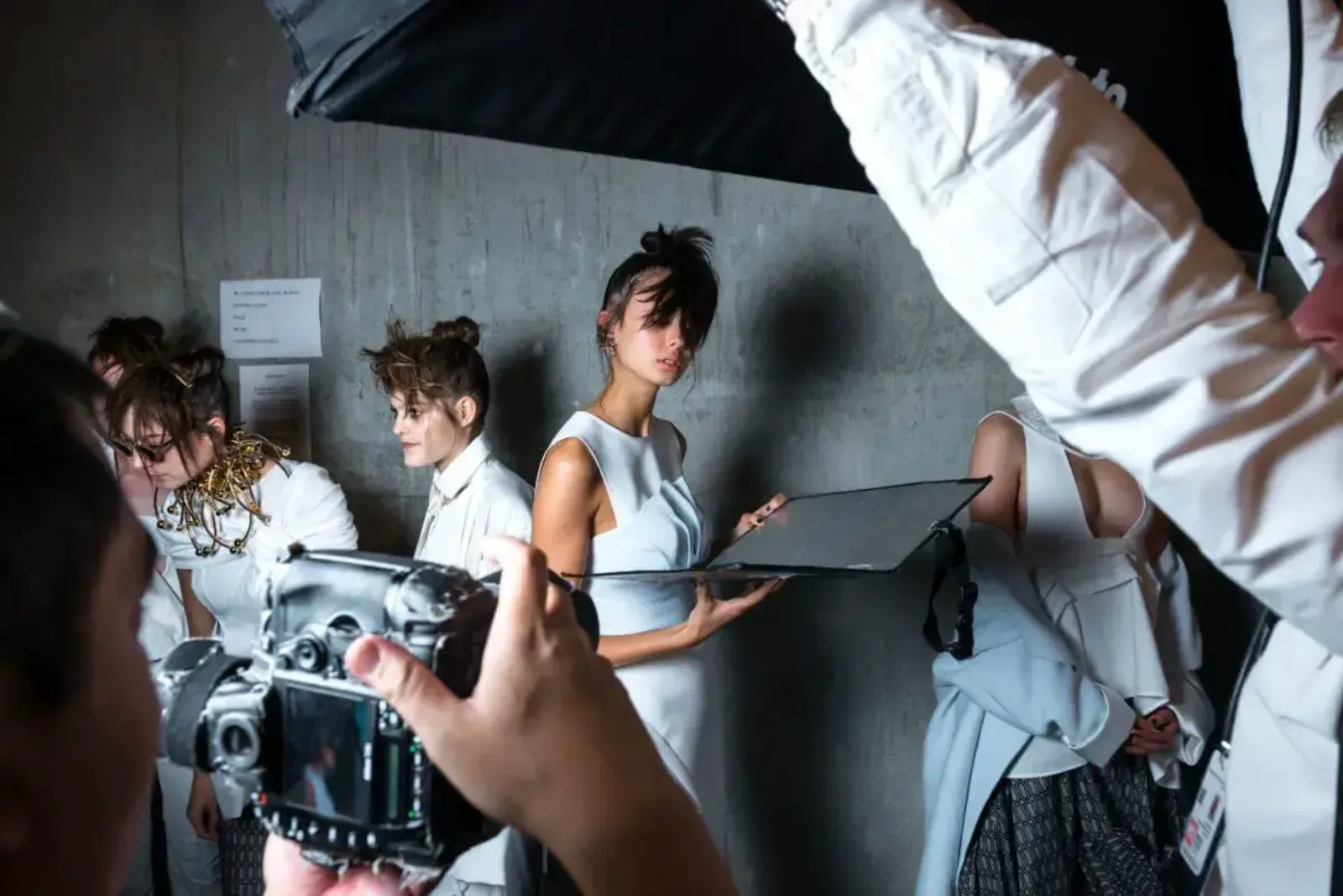
Fashion is a visually rich, creative space that is a key component in how individuals illustrate their identity to the world. Embracing an experiential philosophy is not only beneficial in resonating with consumers and driving sales, it's a natural extension of the vibrance of the fashion industry itself.
The consumer experience in the fashion industry has evolved substantially over the last decade. E-commerce, while not responsible for the "death" of brick-and-mortar, has changed the way brands interact with and sell to consumers. Retailers need to rethink their marketing approaches to get consumers through the front door and to differentiate their brands in the saturated fashion landscape. Yet they also need to drive online sales, which means improving online and social media engagement.
For many brands, incentivizing in-person shopping and promoting a healthy online ecosystem has translated into an experiential retail approach. From transforming a flagship location into an experiential brand destination, to delivering a memorable experiential campaign away from the store, immersive brand experiences are the future of the fashion industry. They bring brands to life, create conversations with consumers, and drive both in-store and online purchase.
Rethinking the Brick-and-Mortar Retail Approach
When a consumer engages with a product or service in an immersive way, not only are they more likely to purchase, they're also better able to articulate brand attributes or differentiators. They're tuned into messaging, which makes the brick-and-mortar experience a valuable opportunity.
It's important to note that a storefront is no longer about simply presenting clothing available for purchase. The disruption of retail is, at its heart, a refutation of a lacking approach to consumer engagement. It's a call for fashion and other brands to differentiate themselves and prove brand value. It's about offering a memorable experience that resonates with consumers and makes coming back irresistible.
The smart mirrors at Neiman Marcus are an example of a novel in-store experience that keeps people engaged and excited to do the most typical activity: try on clothes. Not only do customers want to see how the technology works, they want to see the outcome and how it dramatically improves the in-store experience. And because it's unique, they can't wait to return and share the experience, this time with a friend.
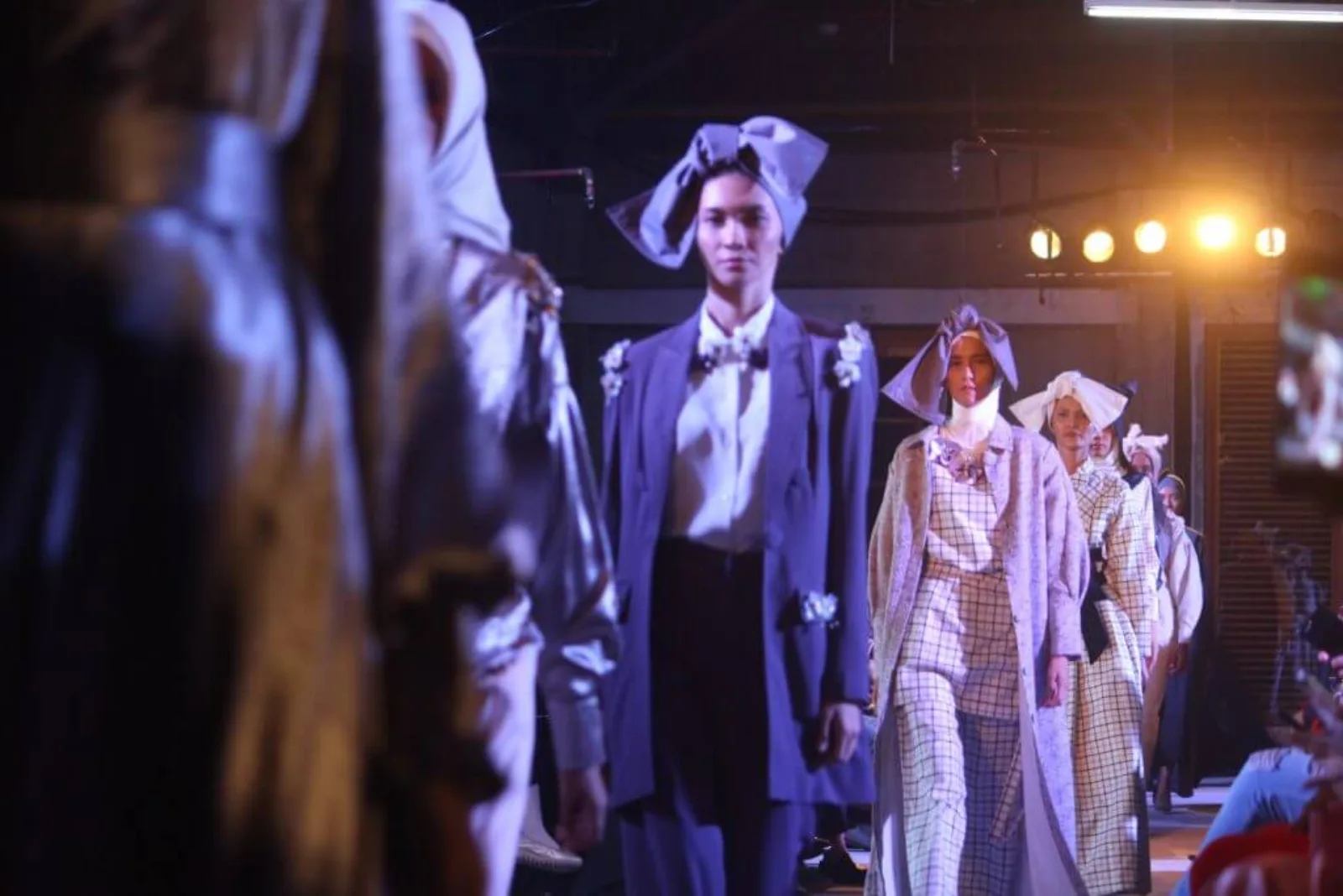
Some stores aren't stopping at incorporating experiential elements; they're turning the entire store into an experiential activation, often a flagship store in a major city. These retail locations are in turn transformed from a place to shop into a popular destination, a must-see experience. From New York to London, companies are building what can be described as "brand theme parks" inclusive of fashion shows, one-on-one games with athletes, and VR experiences galore.
Topshop HQ in London got maximum impact with a virtual reality waterslide that took visitors on a rollercoaster through Oxford Street. The experience drew many into the store, and also allowed social media viewers to see the experience shared on Snapchat and through the #TopShopSplash hashtag. The campaign enticed them to continue engaging with the brand and boosted Topshop's online efforts.
Outside of exciting shoppers, we've seen the best in-store experiential elements help brands facilitate lifestyle elements around their product that go beyond the fabric. It's about ushering in the future of the fashion industry by transforming the experience of visiting the store into an entire afternoon of brand-fueled excitement.
Q: Do fashion brands need a flagship store to run an experiential activation?
A: No. While flagship "brand theme park" stores are one path, experiential retail can also happen at cultural events and festivals, or anywhere a brand can reach consumers where they already gather.

Using Brand Activation and Influencers to Reach People Where They Live
But experiential retail doesn't need a storefront. Fashion brands can engage with consumers where they live and work, seamlessly integrating the brand into their lives and offering them immediate value. Often these campaigns aren't anticipated by consumers, which means brands can also capitalize on a surprise-and-delight element that endears them to passersby.
One of the most powerful ways for consumers to experience fashion is at cultural events and festivals. H&M successfully aligned itself with the Coachella Valley Music and Arts Festival, a strategy that eliminates the challenge of getting consumers to a specific location and uses brand activation to curate meaningful experiences. Because attendees could purchase clothing onsite, these experiences can also be used to drive immediate purchase.
Speaking of Coachella, Revolve, a contemporary fashion brand that targets "young, fun and fashionable" consumers who "aspire to the better things in life," deems Coachella a central part of its ability to showcase the brand, even more so than at a traditional event like New York Fashion Week. But its strategy is different from H&M's. Revolve uses Coachella as a springboard for its influencer marketing campaign, tying live brand activation to its digital marketing strategy. The brand dresses influencers at the festival and then has them promote the looks to their vast and loyal networks.
Some 78% of brands implemented influencer marketing campaigns in 2017, up from 65% the previous year. And for good reason. Influencers and micro-influencers provide access to a brand's target audience, and through the use of digital discount codes unique to each influencer, companies can track how effective each one is. This strategy allows fashion brands to fine-tune who their most valuable advocates are and continue to drive online purchase.
Q: How do fashion brands measure the ROI of an influencer-driven activation?
A: A common approach is giving each influencer a unique digital discount code tied to the live activation, which lets the brand track exactly how many sales each influencer's audience generated.
Why Experiential Is the Future of Fashion
Through experiential retail at brick-and-mortar locations and away from the store, fashion brands can excite and engage their audiences to differentiate their brands and encourage purchase. Big bonus: experiential can drive digital, such as social media campaigns or influencer marketing strategies. The data shows that most modern consumers prefer shopping with brands that have adopted an experiential strategy, and the companies that embrace this concept will reap the rewards.
Thinking about bringing an experiential activation to your fashion brand? Contact us and let's design something your customers will want to share.
People Also Ask
Why is experiential marketing important for fashion brands?
Fashion is a visual, identity-driven category, and consumers who engage with a brand in an immersive way are more likely to purchase and better able to articulate what makes the brand different, making experiential a natural fit.
How are fashion retailers using technology in stores?
Retailers like Neiman Marcus have introduced smart mirrors and other in-store tech that make a routine activity, like trying on clothes, feel novel and shareable, encouraging repeat visits.
Can fashion brands run experiential campaigns without a physical store?
Yes. Brands like H&M and Revolve have used festivals like Coachella to reach consumers where they already gather, using influencer partnerships to extend the reach of the live activation online.
How common is influencer marketing in fashion?
78% of fashion brands had implemented influencer marketing campaigns as of 2017, up from 65% the year before, often paired with unique discount codes to track each influencer's impact on sales.
Frequently Asked Questions
What is brand activation in fashion marketing?
Brand activation in fashion is a live, immersive experience, whether in a flagship store, at a festival, or through an influencer campaign, designed to engage consumers directly and drive both brand affinity and purchase.
Why has experiential retail become important for fashion brands?
E-commerce has changed how consumers shop, so retailers need a compelling reason to bring people through the door. Immersive, memorable in-store experiences give shoppers that reason while also fueling social and online engagement.
What's an example of a successful fashion brand activation?
Topshop's virtual reality waterslide at its London HQ, which took visitors on a themed ride and generated widespread social sharing through a custom hashtag, is a widely cited example.
Do fashion brands need a store to run a brand activation?
No. Brands like H&M and Revolve have activated at festivals like Coachella instead of relying on a storefront, reaching consumers where they already gather.
How can A Little Bird help with a fashion brand activation?
A Little Bird designs and executes experiential retail and live brand activations for fashion and CPG brands. Contact us to talk through your goals.