
Key Takeaways
- Great brand activations give consumers something they can't resist, or get anywhere else.
- In EventTrack's survey, 48% of brands reported an ROI between 3:1 and 5:1 on experiential, 29% reported over 10:1, and 12% reported 20:1 or higher.
- The strongest activations are the event itself, like Sonos' David Bowie-themed pop-up, rather than a booth at someone else's event.
- AI, VR, and 360 video can accomplish more than you realize, from richer attendee experiences to better data tracking.
- Personalization continues to be a missed opportunity for all marketers: 75% of consumers are more likely to buy from a brand that recognizes them.
Quick Links
- Why Great Brand Activations Work
- Sonos' David Bowie-Themed Events
- How 360 Video Revolutionizes the Attendee Experience
- Influencer Marketing as a Powerful Weapon
- Personalization: The Great Missed Opportunity
- Why Artificial Intelligence Is Booming
- Snapchat's Approach to Ad ROI
- Retro Branding Tactics
- Shutterstock's Creative Trends
- People Also Ask
- Frequently Asked Questions
Why Great Brand Activations Work
The statistics related to great brand activations and experiential marketing continue to turn heads.
According to the yearly experiential survey and report, EventTrack, not only are brands spending more on brand activation year over year, the ROI they are expecting is staggering. When surveyed, "Forty-eight percent of brands realize a ROI of between 3:1 to 5:1, and 29% indicated their return is over 10:1. Twelve percent say their ROI is 20:1 or higher."
Engaging face-to-face with consumers continues to be one of the most powerful ways to build brands and generate revenue. In this edition, A Little Bird Presents a roundup of some of the best news in experiential. Our feature article illustrates why speaker company Sonos' David Bowie-themed pop-up is brand experience at its finest. We're also excited about insightful posts on 360 video, influencer marketing, and old-school branding techniques that are still cool today.
Q: What kind of return do brands see from experiential marketing?
A: In EventTrack's survey, nearly half of brands (48%) reported a return between 3:1 and 5:1, 29% reported a return over 10:1, and 12% reported 20:1 or higher.
Sonos' David Bowie-Themed Events Blow Traditional Marketing Out of the Water
Experiential marketing provides consumers with an opportunity to get to know a brand in a way that traditional advertising simply can't. Face-to-face marketing humanizes a brand, allowing consumers to build a meaningful relationship with a company. This goes a long way in terms of brand trust, loyalty, and driving sales.
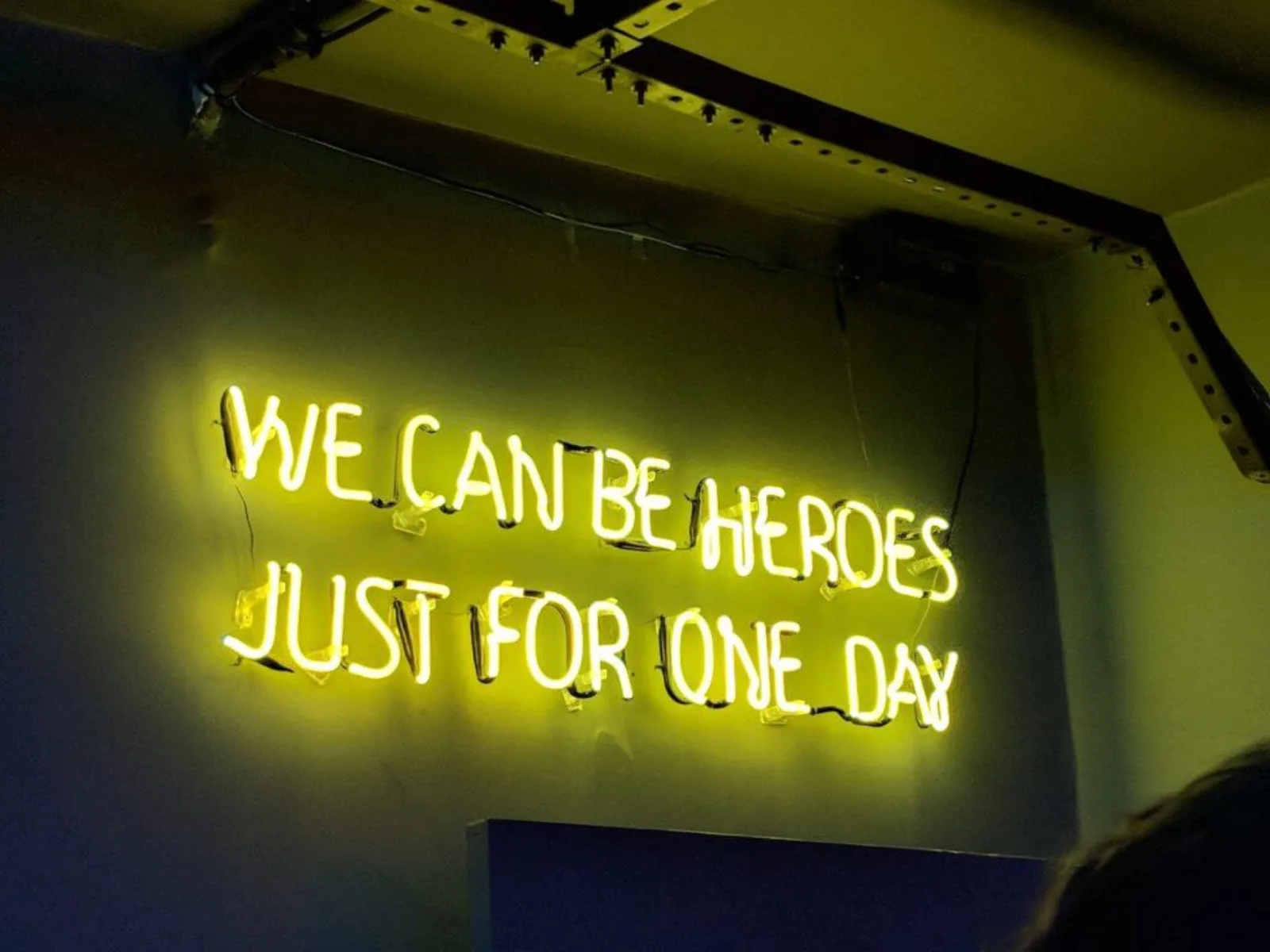
Quite a few great brand activations capitalize on an existing event, like sports games, festivals, or concerts. However, great experiential IS the event, and attracts attendees on its own merits. This is exactly what Sonos has done with a pop-up event in New York City. The brand gathered music legends like Mötley Crüe's Nikki Sixx, as well as MTV News anchor Meredith Graves, to tell stories about the life of David Bowie. Sonos skillfully transformed a brand experience into a once-in-a-lifetime opportunity for attendees, making for a memorable, can't-miss brand activation.
Q: What separates a great brand activation from a sponsorship?
A: A sponsorship borrows attention from someone else's event. A great activation is the event, giving people a reason to show up for the brand experience itself, the way Sonos did with its David Bowie storytelling pop-up.
How 360 Video Revolutionizes the Attendee Experience
One of the most exciting aspects of being in the brand experience industry is the tech. Every time we turn around, it seems there is something else that we can't wait to share with our clients. Consumer engagement, message amplification, attribution tracking, and more: all aspects of brand activation are seeing tools that can execute better campaigns.
One of the new ways that we have to offer attendees a richer, memorable visual experience is through virtual reality and 360 video. The article points out the main benefit of this technology, an experience within an experience, but goes further in its example with Renault. According to the article, Renault "recently used VR to provide first-class airline guests with a look into the future." Time travel? Very cool. Read on to learn more about these technologies and the innovative ways you can use them to craft a memorable experience.

How Influencer Marketing Can Become a Powerful Weapon for Brands
The idea of tying a marketing campaign to a celebrity is certainly nothing new. From Peyton Manning and Nationwide Insurance to Paris Hilton and Carl's Jr., many celebrity endorsements are successful in tying the persona to the product. What has changed is the way that we can use these people to spread a brand message and make an impact on awareness and sales.
Social media has acted as a tremendous catalyst for change in our culture, one significant element being the opening of "celebrity" to people outside of the traditional Hollywood sphere. Every niche has its influencers: those people others look to for cues on what to buy, what to try, and what to like (both literally and via a platform). As a result, influencer marketing, which focuses on wooing influencers rather than the target market as a whole, is taking hold in every industry imaginable. Entrepreneur offers three key pieces of advice for brands in managing their influencer marketing campaigns.
Why Personalization Is the Great Missed Opportunity for Marketers
The idea of incorporating personalization into product and service marketing is nothing new. Technology has allowed us to cater to the consumer in more intimate ways, from using a first name in mass email communication to tailoring content to the individual's preferences. It has been shown to make an impact on how brands are perceived, as "75 percent of consumers are more likely to buy from a brand when they're recognized, remembered or served with relevant recommendations."
However, as this article points out, there is a disconnect. Overall, brands are not providing consumers with the level of personal attention that they expect. In fact, from the article, "four out of 10 consumers switched companies in 2017 because of poor personalization, according to Accenture's recent study on hyper-relevant customer experiences. This, in turn, cost companies an estimated $756 billion last year." Clearly there is staggering opportunity here. AdWeek lists four key considerations when planning your personalization strategy.
Q: How much does poor personalization cost brands?
A: According to Accenture's study on hyper-relevant customer experiences, four out of 10 consumers switched companies in 2017 because of poor personalization, costing companies an estimated $756 billion that year.
Artificial Intelligence Is Suddenly Booming, and This Is Why
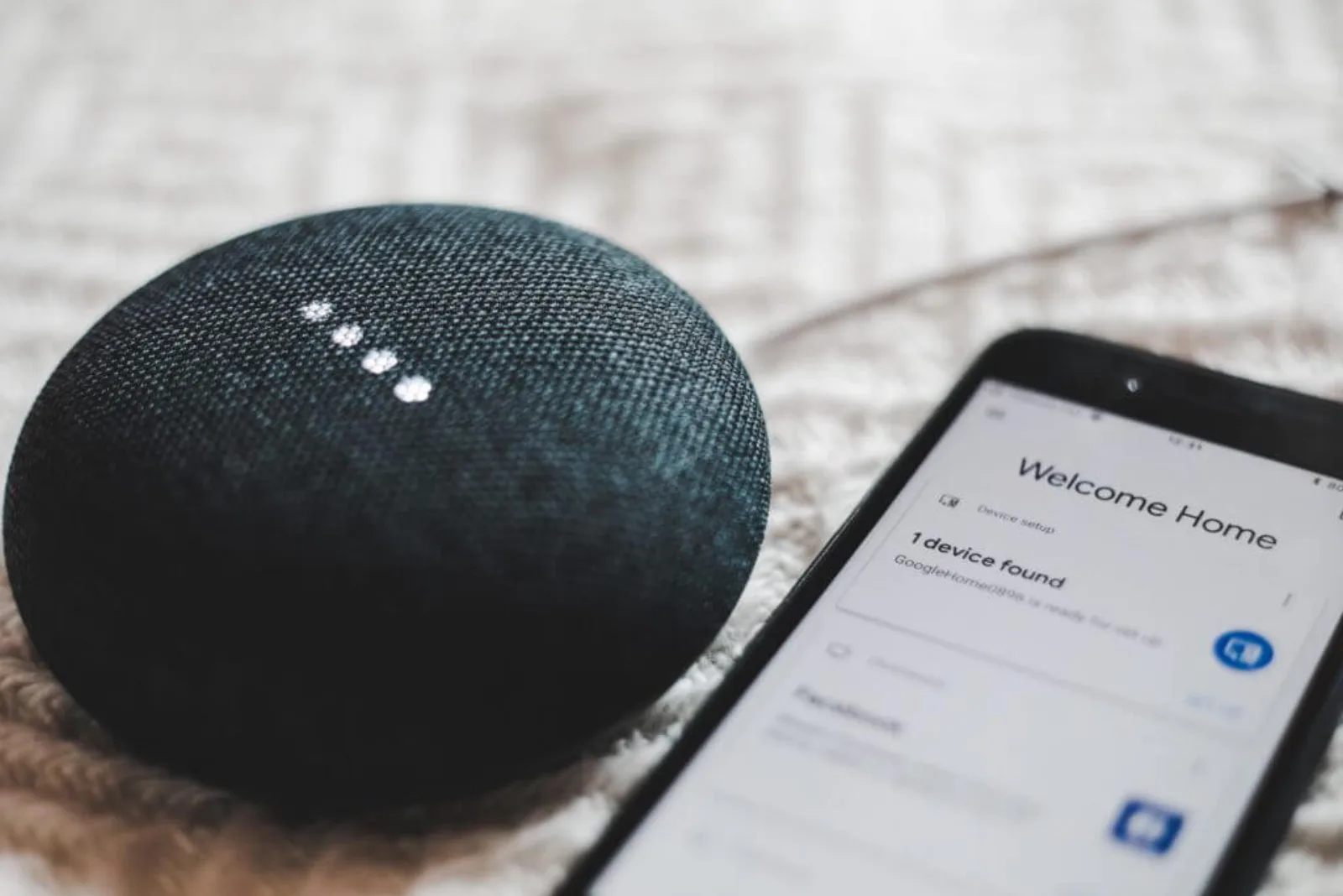
Artificial intelligence (AI) has been around for a while. Even back in the days of AOL chat rooms, bots were circulating, engaging with users and posing as real people. Fast forward to 2018, and over the previous decade AI had gone from a movie title to the friendly "Alexa" that many of us interact with daily.
So why has this technology seen such sudden mass adoption? This article by Creative Pool lists six key reasons why AI is so hot right now. From Google search to Burberry's personal shopping assistants, AI is fully mainstream. And while this article keeps the concept of AI high-level, the ALB team is enamored with the impact that AI has and will have on brand activation. As these technologies continue to evolve, the opportunities for consumer engagement, efficiencies, data tracking, and more improve in tandem.
The Innovative Way That Snapchat Is Showing Ad ROI
Social media, since its adoption, has always been a moving target. Marketers see its potential to reach highly targeted audiences, capitalize on word of mouth, and amplify marketing messages exponentially. But proving social media marketing ROI as it translates to revenue has been challenging. As the article points out, "all those Likes and hearts are great, but what you really need to demonstrate is how they translate to actual dollars, how your social efforts are impacting on actual sales."
Snapchat unveiled its plan to show advertisers the revenue benefits of Snap Ads through its "Snap to Store" measurement methodology. Learn about how they use location tracking as a part of their strategy, as well as details on its benefits and limitations.
Retro Branding Tactics to Keep in Your Arsenal
Nostalgia is (fittingly) making a comeback in consumer culture. As Gen Xers and the generations surrounding them age, the desire to harken back to the old days has grown even among the youngsters. The popular Netflix original series "Stranger Things" brings back acid wash jeans, "boat" cars, and bad perms. Adobe used Bob Ross' enduring popularity in an ad campaign for Photoshop Sketch. All around, brands are capitalizing on what once was.
Yet, outside of the emotional appeal of old-school, some things should be kept simply because they work. In this article, Entrepreneur argues that certain branding tactics have stood the test of time. From public speaking to business cards, the article lists "eight aged but still workable branding and marketing strategies that are as effective in 2018 as they were back in the day."
Shutterstock's Creative Trends Picks for 2018
With almost 50% market share, Shutterstock reigns as the leading stock images provider. In holding that position, each year it sees "billions of searches for images, footage, and music." Its perspective on the visuals that marketers and creative teams are using to reach consumers is a unique one.
Based on user searches, the company lists what it sees as the top 11 creative trends for 2018. The article includes everything from "major trends that will dominate popular culture to trends to watch that will burst onto the design scene." While some of these seem "out there" (both figuratively and literally, since "space" is included), you can't argue with the data. People are searching for, and loving, these topics. From "a global march" to "cactus," here is your 2018 marketing images moment of zen.
Want to create a brand activation consumers can't resist? Contact A Little Bird to start planning yours.
People Also Ask
What makes a brand activation great?
A great brand activation gives consumers something they can't get anywhere else, engages them face-to-face, and stands on its own merits as an event people want to attend.
Is experiential marketing worth the investment?
EventTrack's survey found 48% of brands realize an ROI between 3:1 and 5:1 on experiential, and 29% see a return over 10:1, which is why brands keep increasing activation spend year over year.
How can technology improve a brand activation?
Virtual reality and 360 video create an "experience within an experience," while AI and location-based measurement tools improve consumer engagement, data tracking, and proof of ROI.
Why does personalization matter in marketing?
75% of consumers are more likely to buy from a brand that recognizes them, remembers them, or serves relevant recommendations, yet most brands still fall short of the personal attention consumers expect.
Frequently Asked Questions
What is a brand activation?
A brand activation is a face-to-face marketing experience that lets consumers interact with a brand directly, building trust, loyalty, and sales in ways traditional advertising can't.
What ROI do brands get from experiential marketing?
According to EventTrack, 48% of brands see an ROI between 3:1 and 5:1, 29% see over 10:1, and 12% report an ROI of 20:1 or higher.
What is an example of a great brand activation?
Sonos hosted a David Bowie-themed pop-up in New York City where music legends like Nikki Sixx told stories about Bowie's life, turning a brand experience into a once-in-a-lifetime event.
How do influencers fit into brand activations?
Every niche has influencers that people look to for cues on what to buy and try. Brands can win over those influencers to spread their message and impact awareness and sales.
Who can help create a great brand activation?
A Little Bird is an experiential marketing agency that designs brand activations for CPG and lifestyle brands. Contact us to start planning yours.