
Key Takeaways
- 63% of global consumers prefer to buy from companies that share their values, and 83% of Millennials say it's essential that the brands they support align with their beliefs.
- Bud Light sent custom cans to TikTok star Dylan Mulvaney, and when backlash followed, the brand issued a vague statement that neither affirmed the partnership nor addressed the criticism, satisfying no one.
- The beer industry declined 4.6% from 2021 to 2022, driven largely by shifting Millennial and Gen Z preferences, making it especially costly for Bud Light to alienate that audience.
- Brands like Nike, Patagonia, Ben & Jerry's, and TOMS show that committing fully and authentically to a values-based stance builds loyalty, even when it risks controversy.
- The core lesson: trying to appease every audience with a noncommittal response is often worse than taking a clear, authentic position.
Quick Links
- The Importance of Brand Values in the Modern Era
- The Dylan Mulvaney Controversy: Bud Light's Failure
- How Bud Light Should Have Handled the Controversy
- The Lesson for Brand Strategy
- People Also Ask
- Frequently Asked Questions
By Hogan Shrum, Founder and CEO, A Little Bird
In today's rapidly evolving consumer market, establishing and maintaining brand loyalty is paramount to success, especially among generations with significant purchasing power, such as Millennials and Gen Z.
The data show that consumers don't just buy products or features; they seek brands that align with their personal values when making purchasing decisions. The Dylan Mulvaney/Bud Light controversy serves as a perfect example of how NOT to execute a brand strategy. As someone who has worked on numerous strategic brand building campaigns throughout my career, I couldn't resist diving into the many missteps of Bud Light's handling of the situation.
The Importance of Brand Values in the Modern Era
In the ever-evolving world of consumerism, brand values have become increasingly important as people seek products and services that align with their personal beliefs. A recent study by Accenture Strategy found that 63% of global consumers prefer to purchase from companies that share their values. A 2020 report by 5W Public Relations revealed that 83% of Millennials find it essential for the companies they support to align with their values. This generation, along with Gen Z, has shown a strong preference for brands that prioritize sustainability, social justice, and ethical practices.
Much of the shift in consumer behavior can be attributed to the rise of social media and the ease of access to information about companies and their practices. Consumers are now more knowledgeable and conscious of the impact their purchasing decisions have on the world around them.
Q: Why do brand values matter more to younger consumers?
A: Social media has made it far easier for Millennials and Gen Z to research a company's practices before buying, and 83% of Millennials say it's essential that the brands they support align with their personal values.
The Dylan Mulvaney Controversy: Bud Light's Failure
First, a brief snapshot of the state of the beer industry is crucial to the conversation. The fact is, with the continued rise of seltzers and other beer alternatives, the beer industry has suffered consistent decline in recent years, with data showing a 4.6% decline from 2021 to 2022. This is driven almost exclusively by Millennial and Gen Z's shifting preferences in products, so winning in these consumer segments is crucial for beer brands to stop the bleeding. Thus, leaning into younger influencers, content creators, and other channels with a highly engaged Millennial and Gen Z audience makes total sense.
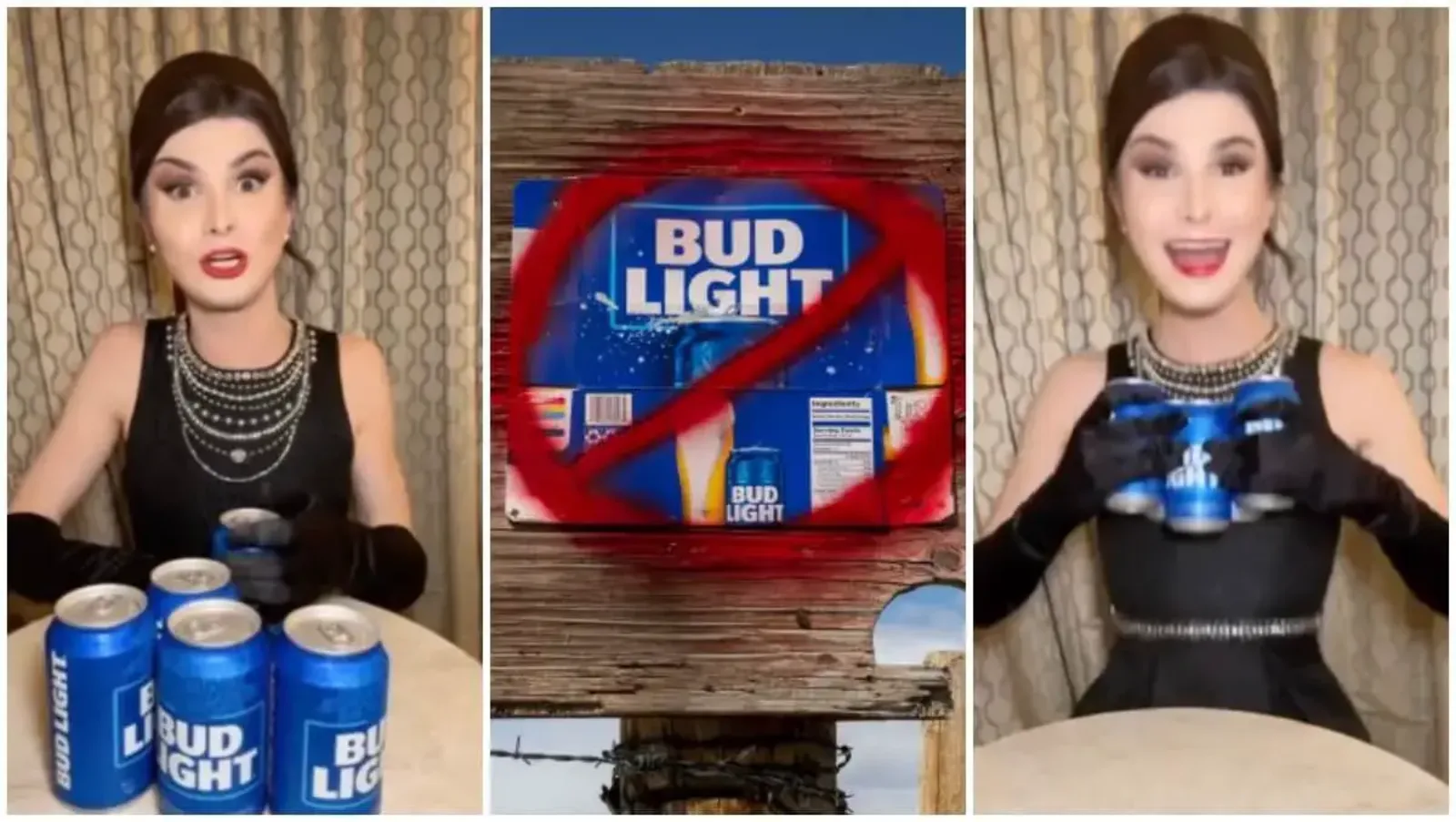
Clearly, the recently ousted marketing execs Alissa Heinerscheid of Bud Light and Daniel Blake of A-B recognized this. So, in what was meant to be a simple, seemingly authentic gesture, they sent TikTok star and transgender influencer Dylan Mulvaney (among others) a version of their product with her face on the cans. It's important to note that the cans were made just for Dylan and were not in any way available or sold to the public. Dylan, delighted to receive such positive support from a globally recognized brand, shared her appreciation with her 10.8 million TikTok and 1.8 million Instagram followers, no doubt an attractive group for a company trying to connect with younger customers. But it was not meant to be. Almost instantaneously, all hell broke loose and Bud Light's brand began to fall apart. Many people on the right were outraged at the beer brand's alignment with the LGBTQ community and, in addition to other public protests, called for a boycott, while those on the other side of the aisle demanded that Bud Light affirm their support of the TikTok star. But all Bud Light did was issue a vague statement that neither affirms their partnership with Mulvaney nor responds directly to the backlash, making their wishy-washy "position" more harm than help in satisfying either group.
Bud Light's mismanagement of the Dylan Mulvaney controversy is a textbook example of a poorly executed brand strategy. By not adequately addressing the issue and by trying to play both sides, Anheuser-Busch missed a golden opportunity to connect with a younger consumer base and build brand loyalty among a crucial consumer group that's desperately needed for their long-term, sustainable growth.
Bud Light is not alone in struggling to reach some audiences without offending others. While consumers want the products they buy to represent their values, different identity groups have oftentimes opposing views, creating a tricky situation for advertisers who want to convince everyone that their product is right for them (although any brand strategy expert knows that the first and worst mistake a brand can make is building a strategy based on the assumption that "our brand is for anyone and everyone"). The partnership with Mulvaney clearly alienated those who adamantly oppose support of the LGBTQ community. But the bigger issue is Bud Light's failure to stay true to their mission: "Bringing People Together for a Better World." In trying to appease everyone, the larger and more valuable Millennial and Gen Z audience was alienated and given a clear view into Bud Light's lack of authenticity.
Q: What was Bud Light's biggest mistake in handling the controversy?
A: Trying to satisfy both sides with a vague, noncommittal statement instead of taking a clear position. The ambiguity alienated the Millennial and Gen Z audience the partnership was meant to attract while doing nothing to calm the backlash from critics.
How Bud Light Should Have Handled the Controversy
To remain competitive and relevant, companies must adapt by embracing transparency, accountability, and a genuine commitment to their core values. In just one example, this was demonstrated by Nike's support of Colin Kaepernick in their 2018 "Just Do It" campaign. By standing behind Kaepernick despite the backlash, Nike demonstrated its commitment to social justice and resonated with a younger audience that values authenticity and brands that align with their beliefs. Other brands like Patagonia, Ben & Jerry's, and TOMS have also successfully demonstrated that, by staying true to their values and prioritizing corporate social responsibility, they can cultivate customer loyalty and drive long-term success. These companies serve as prime examples of how a focus on even sometimes controversial brand values can resonate with the modern consumer and ensure continued growth.
Bud Light could have turned the Dylan Mulvaney controversy into an opportunity to build brand affinity with a younger consumer base by staying true to the statement made by their CEO that "Anheuser-Busch is in the business of bringing people together over a beer." By taking a more proactive approach and addressing the issue head-on, Bud Light could have demonstrated its commitment to inclusivity and created a positive association with its brand.
For example, Bud Light could have launched a campaign promoting tolerance, diversity, and unity over a beer, showcasing people of opposing views reaching common ground to demonstrate that the brand genuinely cares about bringing people together. By doing so, the company would have not only addressed the controversy but also positioned itself as a champion of inclusivity and social cohesion. This would have resonated with younger consumers, who are more likely to be attracted to brands that share their values, and it might even have appealed to other generations as well.
Moreover, Bud Light could have partnered with organizations or influencers that promote tolerance and diversity, sending a clear message to their targeted and highly coveted Millennial and Gen Z audiences that they are a brand that stands for positive change and unity.
The Lesson for Brand Strategy
The Dylan Mulvaney controversy was a huge missed opportunity for Bud Light to appeal to a consumer segment that is, arguably, the most important for the company's long-term relevance and growth. Their failure to handle the situation effectively and authentically resulted in a tarnished brand image across all consumer groups. Successful brand strategies require a commitment to authentic values, even when faced with potential alienation of some consumers. Companies such as Patagonia and Nike have demonstrated that staying true to one's values can foster brand loyalty and appeal to a younger audience.
By learning from Bud Light's example, companies can see how crucial it is for brands to stay true to their values and demonstrate a genuine commitment to the causes that matter most to their target audience. Only by doing so can they hope to pave the way for enduring success.
Questions about building an authentic, values-driven brand strategy? Contact us.
People Also Ask
Why did the Bud Light and Dylan Mulvaney partnership backfire?
Bud Light sent Dylan Mulvaney custom cans as a gesture of support, but when backlash followed from multiple directions, the brand issued a vague, noncommittal statement that failed to satisfy anyone, alienating the younger audience the partnership was meant to reach.
How important are brand values to consumer purchasing decisions?
Very important. Research shows 63% of global consumers prefer to buy from companies that share their values, and 83% of Millennials say it's essential that the brands they support align with their personal beliefs.
What brands have successfully taken a values-based stance despite controversy?
Nike's support of Colin Kaepernick, along with Patagonia, Ben & Jerry's, and TOMS, all show that a clear, authentic commitment to values can build long-term loyalty, even when the stance is controversial.
What should brands learn from Bud Light's handling of the controversy?
That trying to appease every audience with an ambiguous response is often worse than taking a clear position. Authenticity and commitment to a brand's stated values matter more than avoiding all risk of backlash.
Frequently Asked Questions
What happened in the Bud Light and Dylan Mulvaney controversy?
Bud Light sent custom cans featuring Dylan Mulvaney's face as a personal gift, not a public product. When the gesture drew backlash from multiple sides, Bud Light responded with a vague statement that didn't clearly affirm or address the partnership, which intensified the criticism.
Why is brand authenticity important in marketing?
Consumers, especially Millennials and Gen Z, increasingly choose brands based on whether their values feel genuine and consistent. A noncommittal or contradictory response to a values-based moment can damage trust across every consumer segment.
What was the business impact of the beer industry decline mentioned in this article?
The beer industry declined 4.6% from 2021 to 2022, driven largely by shifting Millennial and Gen Z preferences, which made it especially costly for a major beer brand to alienate that audience during a controversy.
What is the main brand strategy lesson from this case?
Take a clear, authentic position rooted in your brand's actual values rather than trying to satisfy every audience. Ambiguity in a high-visibility moment tends to alienate more people than a confident, consistent stance.
Who wrote this analysis?
This article was written by Hogan Shrum, Founder & CEO of A Little Bird. Contact us if you'd like help building an authentic brand strategy.