

Key Takeaways
- Bold, risky marketing campaigns can pay off big or backfire badly, but taking creative swings is still worth it in a saturated media landscape.
- Failed campaigns from Warby Parker, McDonald's, and Heineken show how humor, sensitive subject matter, and unintentional messaging can misfire.
- Successful campaigns from Samsung, Intuit, and Easterseals of Southern California show that pairing genuine creativity with a relevant, compassionate message resonates.
- Getting an outside, diverse perspective before launch can catch unintended implications that a single internal team might miss.
- Humor and emotion are powerful tools, but they need to stay tasteful and on-brand to land well.
Quick Links
- 3 Big Fails: Campaigns That Missed the Mark
- 3 Big Wins: Campaigns That Made a Mark
- Lessons for Brands Taking a Creative Risk
- People Also Ask
- Frequently Asked Questions
Embracing creativity and designing bold marketing campaigns can end in rewards or regret. However, in a world of marketing saturation, companies should honor their creative side and take a chance on a big idea.
Media saturation is real, and for brands, this means consumer attention is at a historically high premium. As AdAge has reported, Millennials are not inspired by a brand's clout in the marketplace. They need a better reason to engage with a company, such as a unique value proposition or a compelling corporate culture. As a result, brands are looking to communicate these elements through bolder and gutsier marketing campaigns.
An old adage asserts "the bigger the risk, the greater the reward," which can certainly be true. But when a company's efforts fall on the other side of the spectrum, they may find themselves looking at a bigger backlash instead. Should this risk discourage creative, or even bullish, behavior by marketers? We've said it before, but it bears repeating: the answer is an unequivocal no.
One year, April Fools' Day saw a slew of creative, provocative, and, in some cases, high-risk prankster ads. This reignited our position that we love when brands accept inherent risk and embrace a crazy idea. For some of these campaigns, the message resonated and the campaign was hailed as a stroke of genius. Others were disasters, and that's fine. Let's give them a nod for taking a leap and take lessons where we can.
3 Big Fails: Campaigns That Missed the Mark
1. Warby Parker's Ill-Conceived Joke Has People Wondering if It "Lost Its Cool"
Warby Parker, since its start, has embraced an urban, educated, and sophisticated brand identity. Their target is a young, Millennial-led audience. Even the name of the company itself comes from a Jack Kerouac journal, providing the brand with a cultural pedigree that speaks for itself.
But the company's recent April Fools' Day stunt did not do much to reinforce this persona. In conjunction with fast-food chain Arby's, on April 1st Warby Parker announced a fake partnership between the two companies, dubbed WArby's. Many in both traditional and social media found the campaign to be as irrelevant as it was humorless. As Fast Company summarized, an "ill-conceived joke like this one will only alienate Warby Parker's existing fans, and it isn't likely to win over the Arby's crowd." While the intention clearly wanted to show a light-hearted, silly side of the company, this bold marketing campaign resulted in more recoiling than rewards.

2. McDonald's "Dead Dad" Ad Fail Has Them Down, But Not Out
McDonald's once faced a strong backlash related to an ad that aired in the UK. In the ad, a boy and his mother reminisced about his father, who had passed away. The company was accused by several people of using this "dead dad ad" to inappropriately and insensitively use bereavement and grief to sell fast food. After hundreds of complaints, the company pulled the ad and apologized.
Although a McDonald's spokesperson said that the company "wanted to highlight the role McDonald's has played in our customers' everyday lives, both in good and difficult times," working in this sensitive space was not successful. A year later, McDonald's CEO Paul Pomroy spoke about the misstep at an Oystercatchers event. He reiterated the company's commitment to its team and partner agencies, making it known that the company felt that "to foster innovative and creative ideas you have to allow people to fail without fear of losing their jobs."
Q: How should a brand respond after a campaign backfires?
A: Pull the campaign quickly, apologize directly, and be transparent about the intent versus the impact. McDonald's did this with its "dead dad ad," and leadership publicly reaffirmed a culture that allows teams to take creative risks without fear.
3. Heineken Stumbles Into Uncomfortable Territory With "Lighter Is Better" Ad
Even when companies aren't trying to push boundaries, sometimes a campaign can be derailed in ways the brand never saw coming. This happened to Heineken with the launch of its "lighter is better" ad campaign. In the ad, a bartender slides a bottle of Heineken Light past several Black patrons before it lands with a paler-skinned woman, with the tagline "Sometimes lighter is better." Several publications called the ad tone-deaf, while other public figures, such as Chance the Rapper, called it "terribly racist."
This highlights the fact that even the most innocent campaigns (Heineken asserted that the "lighter" remark only applied to its light color and calorie content) can result in unintended consequences. The team behind the ad may have had one intention, but they didn't catch the unintended implication that seemed obvious to everyone else. Moral of the story: getting feedback from a diverse audience can be a big benefit.
3 Big Wins: Campaigns That Made a Mark
1. Samsung's Ostrich Ad Encourages People to #DoWhatYouCant
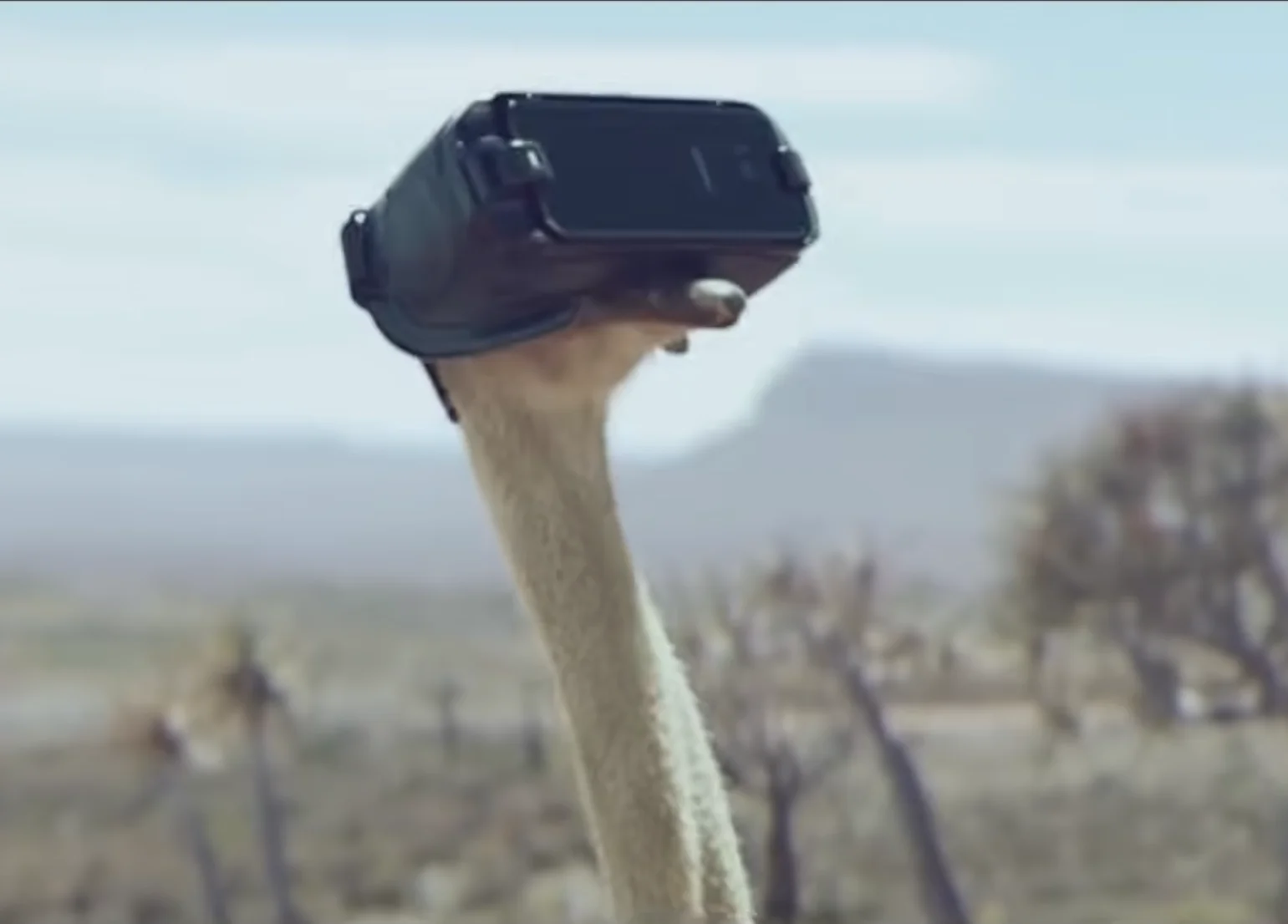
When it comes to perceived risk, producing an ad that features a cast of ostriches could be at the top of the list. On face value, the concept seems odd: an ostrich stumbles upon a VR headset, figures out how to put it on, and through experiencing its flight simulator, learns how to fly. But for Samsung, the risk paid off in spades.
The ad won a number of Cannes Lions awards: three gold, two silver, and two bronze. The ad, more of a short film, is part of Samsung's #DoWhatYouCant campaign, which encourages a spirit of innovation and rule-breaking. While the ad itself stands on its own as an endearing show of the power of imagination and perseverance, the brand strategy behind it was two years in the making. Samsung's ability to marry creativity with a relevant and compelling message makes the campaign a big win.
2. Intuit Uses a Pixar-Inspired Animated Short to Market Its Business Tools to Grown-Ups, and It Works
Software company Intuit is behind industry household names that many professionals are familiar with. In fact, one of its biggest brands, QuickBooks, has enjoyed 80% market share among small businesses. Surprisingly, according to Intuit CMO Lucas Watson, corporate brand recognition wasn't where it should be. In an AdWeek interview, Watson said that "even among people who use our products, only four out of every thousand use two or more." The company's goal was to promote the value of integrating their products, which "function better when used together."
Considering the company's audience of professionals and small business owners, the choice to develop an animated ad campaign to communicate their value proposition was unexpected. Yet the animated short, reminiscent of Pixar hits like Big Hero 6 and Inside Out, delivered. Set in a future far enough ahead to be inspirational but not so far that it was irrelevant, Intuit's story of two small business owners offered a narrative that communicated the products' value in a compelling and unique way.
3. ESSC Campaign Shows That Leading With Compassion Is an Effective Strategy
Easterseals of Southern California (ESSC) has a clear focus: to ensure that all people with disabilities or other special needs and their families have equal opportunities to live, learn, work, and play in their communities. The organization launched a campaign aimed at changing the way you see disability. The campaign features print, internet, and outdoor components, as well as a social media push. The organization's message puts the people it serves front and center, highlighting their skills, interests, and the elements that make them unique outside of their disability.
The ESSC campaign shows that challenging stereotypes and confronting biases should be rooted in exposure and education. From the compelling visuals to the incorporation of a grassroots call to action, #CelebrateDontSeparate, this beautiful and thought-provoking campaign succeeds in its mission.
Q: What do the successful campaigns in this article have in common?
A: Each pairs a genuinely creative idea with a message that's relevant and compassionate, rather than relying on shock value or humor alone. Samsung, Intuit, and ESSC all connected the creative concept directly to their brand's actual value or mission.
Lessons for Brands Taking a Creative Risk
As we look back at these success stories and lost opportunities, we see quite a few valuable lessons that brands can take and apply to their marketing campaigns:
- There is a time and place: Brands should consider the current political and cultural environment when taking an editorial eye to campaign ideation. Unintended consequences can be avoided with an outside look from a diverse audience.
- Emotion can be your friend or your greatest enemy: Loss is one of our greatest human fears, so tread lightly. Using emotions that lean toward empowerment, joy, and compassion will most often be successful.
- Humor must be tasteful and on-brand: Silly is not effective on its own. If your brand decides to pull a prank, make sure it stays relevant to your brand identity, core audience, and business goals.
Thinking through a bold campaign idea and want a second opinion before you launch it? Contact us.
People Also Ask
Is it worth the risk for a brand to run a bold marketing campaign?
Yes, in most cases. In a saturated media environment, playing it safe often gets ignored entirely, while a well-executed bold idea, like Samsung's ostrich ad, can win major recognition and cut through the noise.
Why did the Heineken "lighter is better" ad fail?
The ad's visual sequencing created an unintended racial implication that the creative team didn't catch internally, even though Heineken said the "lighter" reference was only about color and calories. It shows why outside, diverse feedback before launch matters.
What made Samsung's ostrich ad a success?
It paired an unexpected, imaginative concept with a message that was genuinely relevant to Samsung's two-year #DoWhatYouCant brand platform, rather than novelty for its own sake. It went on to win multiple Cannes Lions awards.
How can brands avoid a campaign backfiring?
Get feedback from a diverse audience before launch, be thoughtful about the current cultural and political climate, and make sure any humor or emotional appeal stays tasteful and consistent with the brand's identity.
Frequently Asked Questions
What is a bold marketing campaign?
A bold marketing campaign is one that takes a creative or reputational risk, such as an unconventional format, provocative message, or unexpected partnership, in pursuit of a bigger payoff in attention or brand affinity.
What are examples of bold marketing campaigns that failed?
Warby Parker's fake "WArby's" partnership with Arby's, McDonald's "dead dad ad" in the UK, and Heineken's "lighter is better" ad are all examples of bold campaigns that generated backlash instead of the intended reaction.
What are examples of bold marketing campaigns that succeeded?
Samsung's ostrich VR ad, Intuit's Pixar-style animated short for QuickBooks, and Easterseals of Southern California's disability-awareness campaign are all examples of bold ideas that resonated with audiences.
How can a brand reduce the risk of a bold campaign backfiring?
Pressure-test the concept with a diverse audience before launch, consider the current cultural and political climate, and make sure any humor stays tasteful and clearly connected to the brand's identity and values.
Who can help a brand develop a bold, on-strategy marketing campaign?
A Little Bird helps brands develop creative, experiential campaigns that balance bold ideas with strategic guardrails. Contact us to talk through your next campaign.